Total: Dhs. 0.00
Taxes and shipping calculated at checkout


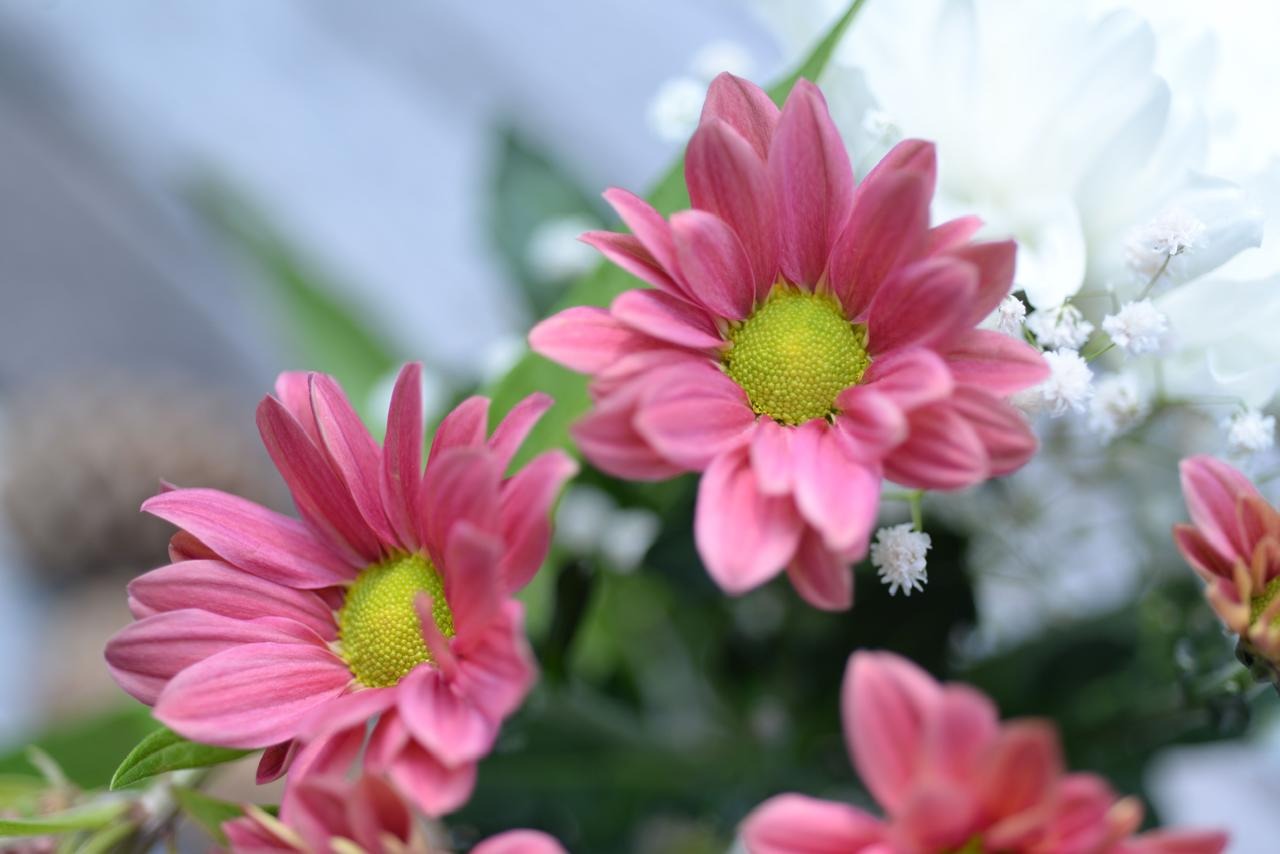
Flowers bring colour, fragrance, and life into a home. But when cats or dogs share that home, choosing a bouquet deserves a little more thought. Some popular flowers are considered non-toxic to pets, while others can cause anything from stomach upset to a medical emergency if a curious animal chews the leaves, petals, stems, or bulbs.
For pet owners, the good news is simple: you do not have to give up fresh flowers. Roses, sunflowers, Gerbera daisies, snapdragons, and several orchid varieties are among the beautiful options listed as non-toxic to cats and dogs by the ASPCA. The key is knowing exactly what is in an arrangement and avoiding assumptions based only on a flower's common name.
This guide explains which flowers can be better choices for pet-friendly homes, which flowers require particular caution, and what to do if your cat or dog investigates a bouquet a little too closely.
Cats and dogs explore their surroundings differently from us. A cat may jump onto a table and brush against, lick or chew a new arrangement. A dog may pick up fallen petals or leaves. Some pets may also drink from a vase.
That makes flower identification important. The ASPCA maintains a large database of plants reported to have toxic or non-toxic effects in animals. It also warns that even plant material classified as non-toxic can cause vomiting or gastrointestinal upset when consumed. In other words, “non-toxic” should never be interpreted as “safe to eat.”
The safest practical approach is to choose flowers known to be non-toxic, keep arrangements out of easy reach and remove fallen plant material promptly.
One more detail matters: common flower names can be misleading. Different plants may share similar names while having very different toxicity profiles. A “daisy,” for example, is not automatically the same as a Gerbera daisy. Scientific identification is much more reliable when pet safety is involved.
The following flowers are among the options identified by the ASPCA as non-toxic to both cats and dogs. Availability naturally changes with season, supplier and location, so a pet-friendly bouquet does not need to contain every flower on this list.
Roses are one of the easiest choices for a classic pet-friendly arrangement. The ASPCA lists Rosa species as non-toxic to cats and dogs.
That makes roses suitable for far more than romantic occasions. Soft pink or peach roses can work beautifully for birthdays and thank-you gifts, white roses can create a clean, elegant arrangement, and colourful mixed roses can brighten an everyday bouquet.
There is still a physical consideration: thorns. A rose may be non-toxic, but a sharp thorn can injure a curious nose, mouth, or paw. Properly prepared stems and sensible placement are therefore still important.
Sunflowers bring instant warmth to an arrangement and are included by the ASPCA among non-toxic flower choices for cats and dogs. Arrangements featuring golden sunflowers and roses provide vibrant, relaxed table decor without posing chemical toxicity risks.
Their large heads and bright yellow petals make them particularly effective in cheerful birthday, congratulations, friendship, and housewarming arrangements. They can also give a bouquet a relaxed, contemporary look rather than an overly formal one.
Because sunflowers have substantial leaves, stems, and flower heads, fallen plant material should still be cleared away rather than left for pets to investigate.
Gerbera daisies are an excellent option when you want strong colour. Gerbera jamesonii is listed by the ASPCA as non-toxic to cats and dogs.
Gerberas are available in shades such as pink, red, orange, yellow, and white, making them useful for playful arrangements and bright mixed bouquets.
The word “daisy,” however, is a good example of why exact identification matters. The ASPCA lists Chrysanthemum species, which may also be called daisies or mums, as toxic to cats and dogs. So asking specifically for Gerbera daisies is much safer than assuming every flower sold under a daisy-like common name has the same profile.
Several orchid species, including the popular Phalaenopsis or moth orchid, are listed by the ASPCA as non-toxic to cats and dogs.
Orchids are particularly useful when you want something refined and architectural. They can suit a minimalist home, a premium gift, or a modern floral arrangement without relying on flowers that may be more problematic for pets.
Because the orchid family is large, it is still sensible to identify the specific variety rather than treating every unfamiliar flower with an orchid-like appearance as interchangeable.
Snapdragons, or Antirrhinum species, appear on the ASPCA's non-toxic flower list. Their tall shape creates height and movement in an arrangement, which makes them useful for bouquets that need more structure than a simple cluster of roses.
They also come in a broad range of colours and can work in soft pastel arrangements as well as brighter, more playful designs.
Freesia is another flower the ASPCA includes among non-toxic choices. Its delicate stems and elegant blooms make it a lovely option for softer arrangements.
Freesia can work particularly well in a bouquet designed to feel light and romantic rather than dense. For pet owners who enjoy more delicate flowers, it offers another way to create visual variety while choosing from recognised non-toxic options.
Pet-friendly flower design does not have to be limited to roses. The ASPCA also identifies zinnias, asters, statice, and wax flower among non-toxic flowers.
These varieties can add colour, texture, and contrast to an arrangement. Statice and wax flower, for example, can be useful as supporting flowers around larger focal blooms.
The broader lesson is important: a pet-conscious bouquet can still look layered, premium, and intentional. Safety does not require a bouquet to look basic.
When ordering flowers for a home with cats or dogs, consider asking for an arrangement built around recognised non-toxic varieties such as roses, sunflowers, Gerbera daisies, snapdragons, freesia, or appropriately identified orchids.
Before placing the order, tell the florist that the recipient has pets. Ask what each major flower and foliage variety is, particularly if the bouquet is mixed. If a plant cannot be identified confidently, do not assume it is safe simply because another flower in the arrangement is non-toxic.
This is especially important with foliage and decorative fillers. Pet safety applies to the complete arrangement, not just the main flowers.
Knowing what to avoid is just as important as knowing what to choose.
For cat households, true lilies and daylilies deserve special attention. The ASPCA states that lilies from the Lilium or Hemerocallis species can be lethal to cats.
This is not a situation where moving the vase slightly higher is an adequate safety plan. If a bouquet contains a true lily or daylily, the safer choice for a cat household is not to bring that bouquet into the home.
Because “lily” is used in the common names of different plants, correct identification matters. If you are uncertain about a flower, ask for its exact name and check a veterinary toxic-plant resource.
If you believe a cat may have been exposed to a dangerous lily, contact a veterinarian immediately rather than waiting for symptoms to develop.
Chrysanthemums, also commonly called mums, are listed by the ASPCA as toxic to cats and dogs. Reported clinical signs include vomiting, diarrhoea, excessive salivation, incoordination, and dermatitis.
This is another reason not to rely on broad terms such as “daisy.” Gerbera daisies are listed as non-toxic, while Chrysanthemum species can be toxic.
Hydrangeas are popular in premium bouquets because their large flower heads create volume quickly. However, hydrangea species appear on the ASPCA's toxic plant lists.
If you are specifically ordering a pet-conscious arrangement, do not assume that a fashionable or luxury flower is suitable simply because it is commonly used by florists.
Tulips are also listed by the ASPCA as toxic plants. The bulb is particularly associated with concentrated toxic material, but pet owners should treat the plant as unsuitable for casual chewing.
For a pet household, a florist can usually create a beautiful alternative using flowers with a better-established non-toxic profile.
Oleander is an important plant to recognise in the UAE because it can be encountered in landscaping as well as floral environments. The ASPCA warns that oleander can cause serious heart problems in dogs, cats, and horses when ingested.
Pets should not be allowed to chew or play with oleander leaves, flowers, or other plant material.
No flower arrangement should be treated as pet food.
The ASPCA notes that consumption of plant material can cause vomiting and gastrointestinal upset even when the plant itself is classified as non-toxic. A pet can also encounter risks unrelated to plant toxicity, including thorns, florist wire, ribbon, packaging, or broken glass from a knocked-over vase.
Flower food and vase additives are another reason to prevent pets from drinking arrangement water. If you are unsure what has been added to the water, keep it inaccessible.
Pet-friendly floral design is therefore about reducing avoidable hazards, not creating something for an animal to chew.
Start with placement. Choose a stable surface that your pet cannot easily reach or knock over. Remember that “high” is not always inaccessible to a determined cat, so consider the individual animal's habits.
Check the floor around the arrangement each day and remove fallen petals, leaves, or stems. Always refresh the water as directed for the flowers, keep packaging materials away from pets, and supervise particularly curious animals around a new bouquet.
If you receive flowers as a gift and do not know what is inside the arrangement, identify the varieties before leaving the bouquet within reach.
For mixed bouquets, check every component. One non-toxic rose does not make the rest of an unidentified arrangement pet-safe.
Identify the plant: Keep the bouquet, label, order information, or a clear photograph available because this may help a veterinarian determine what the animal encountered.
Act quickly: Do not wait for symptoms if you know or strongly suspect that your pet has ingested a toxic plant, particularly in the case of a cat and a true lily or daylily.
Seek professional care: Contact your veterinarian or an appropriate animal poison service for professional advice. Do not induce vomiting or give a home remedy unless a veterinary professional specifically instructs you to do so.
Symptoms and severity can vary according to the plant, amount consumed, part of the plant, animal species, and individual pet. Online information is useful for prevention, but suspected poisoning requires professional veterinary guidance.
When sending flowers in Dubai, it is easy to focus on colour, occasion, budget, and delivery time. If the recipient has a cat or dog, add one more question: what exactly is in the bouquet?
A useful request to a florist is: “This arrangement is for a home with a cat/dog. Please use only flowers and foliage that can be identified as non-toxic to that pet.”
For a cat household, it is also sensible to state clearly that you do not want true lilies or daylilies included.
At Kinza Flowers, pet-conscious requests should be treated as a design requirement rather than an afterthought. Depending on seasonal availability, a bouquet can be designed around suitable varieties while still reflecting the recipient's preferred colours, occasion, and style.
Because flower availability changes, the exact stems in an arrangement may vary. For that reason, pet owners should always confirm the final flower selection when pet safety is an important purchasing requirement.
A pet-friendly arrangement can still be tailored to the occasion.
For a romantic gift: Classic stems from our Kinza Signature Bouquet line built around roses remain a natural choice.
For a birthday: Colourful Gerbera daisies, roses, or sunflowers can create a lively arrangement.
For a housewarming gift: An elegant bouquet built around roses, snapdragons, or suitable orchids can complement a modern home.
For congratulations or friendship flowers: Brighter combinations can feel celebratory without relying on potentially toxic varieties.
The design should begin with two questions: what feeling should the bouquet communicate, and which identified flowers are appropriate for the pets living in the home? That approach creates something that is both thoughtful and beautiful.
Verified Non-Toxic Blooms: Roses, sunflowers, Gerbera daisies, snapdragons, freesia, and Phalaenopsis orchids are confirmed non-toxic to cats and dogs by the ASPCA.
Critical Feline Warning: True lilies (Lilium) and daylilies (Hemerocallis) can cause acute kidney failure in cats and should never enter a cat-inhabited home.
"Non-Toxic" Does Not Mean Edible: Ingestion of any plant material, foliage, or vase water containing flower food can still trigger mild gastrointestinal upset.
Identify All Components: Safety applies to the entire arrangement, including filler foliage, baby's breath, wrapping ties, and florist foam.
Communicate Clearly: When ordering flower deliveries in Dubai, notify your florist upfront if the recipient shares their home with pets.
The ASPCA lists Rosa species as non-toxic to cats and dogs. However, thorns can cause physical injury and eating plant material may still cause stomach upset.
Sunflowers are included by the ASPCA among non-toxic flowers for cats and dogs. They are a popular choice for bright, cheerful pet-conscious arrangements.
Gerbera jamesonii is listed as non-toxic to cats and dogs. Do not assume all flowers called “daisies” are equivalent: Chrysanthemum species are listed as toxic.
Several commonly encountered orchids, including Phalaenopsis orchids, are listed as non-toxic to cats and dogs by the ASPCA. Identify the exact plant when in doubt.
True lilies and daylilies from the Lilium and Hemerocallis groups can be extremely dangerous to cats. Cat owners should avoid bringing these flowers into the home and seek immediate veterinary help if exposure is suspected.
It is better to prevent pets from drinking vase water. The water may contain plant material, bacteria or floral additives, and the composition may not be known.
No. Non-toxic does not mean edible or recommended as food. Plant material can still cause gastrointestinal upset and arrangements may contain other physical hazards.
Having a cat or dog does not mean choosing between a beautiful home and your pet's wellbeing. It simply means being more deliberate about what comes through the door.
Roses, sunflowers, Gerbera daisies, snapdragons, freesia, and certain correctly identified orchids can provide plenty of inspiration for pet-conscious floral arrangements. At the same time, pet owners should be particularly alert to toxic plants, especially true lilies and daylilies in homes with cats.
When ordering flowers, ask what is in the arrangement, identify unfamiliar stems, and tell the florist when the recipient has pets. Those small steps can make a thoughtful flower delivery even more thoughtful.
For pet-friendly flower requests in Dubai, Kinza Flowers can create an arrangement around suitable, seasonally available flowers while considering your preferred colour palette, occasion, and style. Always mention the type of pet when ordering so the floral selection can be discussed before the arrangement is prepared.
Important note: This article provides general educational information and is not veterinary advice. Plant names and varieties can be confusing, and no online guide can cover every possible plant. If you believe your pet has ingested or been exposed to a potentially toxic flower or plant, contact a veterinarian promptly.
Kinza Flowers is the floral house of Studio Kinza, known across the UAE for refined botanical craft, clean aesthetic sensibility, and thoughtful gifting. Operating from our studio boutique in Warsan First, Dubai, we compose fresh seasonal flowers into hand-tied bouquets, structured flower bags, and bespoke event arrangements. Whether you are seeking pet-safe floral selections, private workshops, or same-day floral delivery across Dubai, explore our creations online at the Kinza Flowers shop or connect directly with our studio via our contact page.
Editorial note: Before publishing product-specific pet-safety claims, confirm the exact flower and foliage varieties used in the relevant Kinza Flowers arrangement.


Subscribe to our newsletter

