Total: Dhs. 0.00
Taxes and shipping calculated at checkout


Note: This article covers general cultural and botanical information. For the most current, official designation, we recommend confirming with UAE government or environmental authority sources, as national symbol designations can be reviewed or updated over time.
Many countries designate a national flower as a small but meaningful way of representing their natural heritage and the UAE is no exception. Understanding what the UAE's national flower is, why it was chosen and what it represents offers an interesting window into the country's relationship with its natural environment - one shaped significantly by its arid, desert climate.
This guide covers what is widely recognized as the UAE's national flower, its botanical background, its cultural symbolism and how floral gifting in the UAE can reflect a sense of local identity and heritage.
Whether you're researching this out of general curiosity, preparing content for a National Day event, or simply looking to understand more about the country's natural heritage, this guide aims to give a clear, well-sourced overview while pointing you toward official channels for the most current and authoritative confirmation.
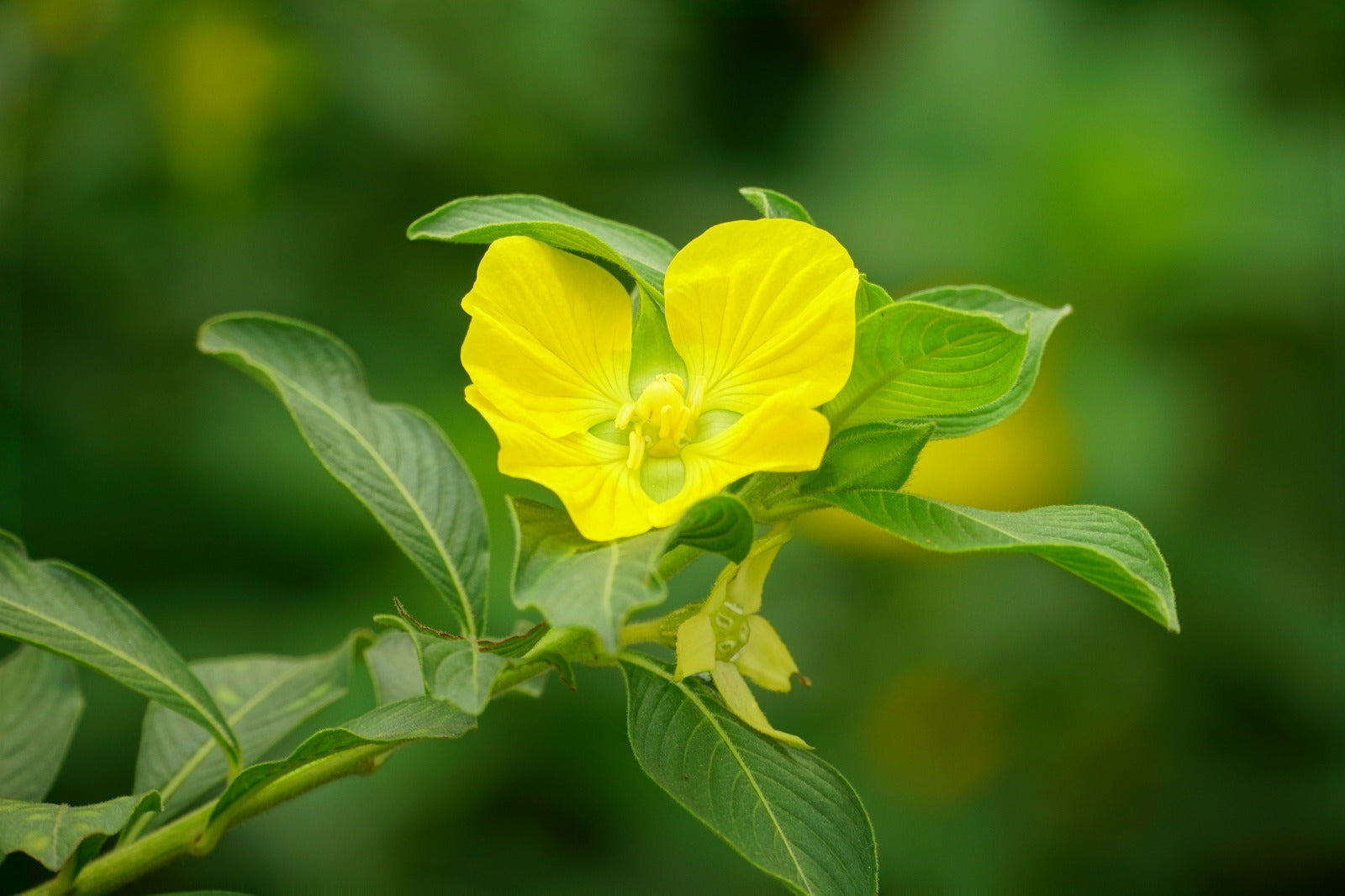
The UAE's national flower is widely reported to be Tribulus omanense, a small, resilient flowering plant native to the desert regions of the Arabian Peninsula, including parts of the UAE and Oman. Unlike the large, showy blooms often associated with national flowers in other countries, Tribulus omanense is a modest, low-growing desert plant, which is itself part of what makes it a meaningful choice for a country whose landscape is dominated by desert terrain.
Because national symbol designations can occasionally be reviewed, updated, or reported differently across sources, we'd encourage readers seeking a definitive, current answer to consult official UAE government or environmental authority resources directly, rather than relying solely on general web content.
Tribulus omanense belongs to a genus of flowering plants well adapted to hot, arid environments, capable of thriving in the kind of harsh desert conditions found across much of the UAE and the wider Arabian Peninsula. Its small yellow flowers and low, spreading growth habit reflect a plant built for survival and resilience rather than ornamental display - a striking contrast to the large, cultivated blooms typically associated with national flowers elsewhere in the world.
This resilience is a key part of why the plant carries symbolic weight beyond its physical appearance. A flower that can survive and even flourish in one of the world's harshest climates naturally lends itself to a broader narrative about endurance, adaptability and a strong connection to the land.
Plants in this family are also notable for their extensive root systems, which allow them to draw moisture from deep underground during long dry spells - a botanical adaptation that mirrors the broader theme of resourcefulness often associated with desert life and heritage in the region.
Desert-native flowers like Tribulus omanense are often understood to symbolize resilience, adaptability and a deep connection to the natural desert landscape that has shaped much of the UAE's history and identity. Rather than symbolizing romance or celebration in the way many cultivated flowers do, a desert national flower tends to carry a quieter, more reflective symbolism - one rooted in survival, heritage and a respect for the natural environment.
It's worth noting that this interpretation reflects a general, widely understood reading of desert flora symbolism rather than a single official government statement of meaning; readers interested in an authoritative interpretation are encouraged to consult UAE cultural and heritage resources directly.
National flowers, plants and other natural symbols serve an important cultural function beyond simple decoration - they offer a tangible, visible way for a country to express its relationship with its own environment and heritage. For the UAE specifically, a desert-adapted national flower reflects an important truth about the nation's landscape and history: much of the country's identity has been shaped by successfully living within and adapting to, a demanding desert environment.
These national natural symbols also play a role in environmental awareness and education, drawing attention to native plant species and the broader effort to preserve indigenous flora in a rapidly developing region.
Beyond its national flower, the UAE recognizes several other natural symbols that reflect its heritage, including the Arabian oryx as its national animal and the ghaf tree, a hardy desert tree long valued for providing shade, food and shelter in the region's harsh climate. Together, these natural symbols paint a picture of a nation whose identity is deeply connected to its desert environment and the resilient plant and animal life that has adapted to thrive within it.
The ghaf tree in particular holds significant cultural weight in Emirati heritage, historically serving as a gathering point for communities and a source of livestock fodder and it remains a protected and celebrated species across the UAE today.
These symbols are often referenced together in educational and cultural materials produced for UAE National Day and similar occasions, giving residents and visitors alike a fuller picture of the country's natural heritage beyond its more commonly known landmarks and modern development.
While Tribulus omanense itself is not commonly used in commercial floristry due to its small, modest blooms, there are still meaningful ways to incorporate a sense of UAE heritage and identity into flower gifting. Choosing warm, desert-inspired colour palettes - soft golds, warm oranges and sandy neutral tones - can evoke the country's natural desert landscape in a bouquet or arrangement. Pairing flowers with dried desert grasses or other natural textures can also lend an arrangement a distinctly regional character.
For UAE National Day and other occasions that celebrate the country's heritage, arrangements in the national colours - red, green, white and black - offer a more direct way to reflect national identity and pride through floral gifting.
National Day and other significant UAE cultural occasions are increasingly marked with floral gifting and decor, whether for personal celebrations, office displays, or larger public and corporate events. Arrangements themed around the national colours or incorporating warm, desert-toned palettes have become a popular way for businesses and individuals alike to mark these occasions with a thoughtful, locally resonant touch.
The UAE's national flower is widely reported to be Tribulus omanense, a small, resilient desert-native flowering plant.
Its modest, hardy nature reflects a broader symbolism of resilience, adaptability and connection to the desert landscape.
The UAE also recognizes other natural symbols, including the Arabian oryx and the ghaf tree, that reflect its desert heritage.
Desert-inspired colour palettes and national colours can be used in floral gifting to reflect UAE identity and heritage.
For the most current and authoritative information on official national symbols, consult UAE government or heritage sources directly.
The UAE's national flower is widely reported to be Tribulus omanense, a small, resilient flowering plant native to the desert regions of the Arabian Peninsula. For the most current official confirmation, we recommend checking UAE government or environmental authority sources.
It is generally understood to symbolize resilience, adaptability and a deep connection to the desert landscape that has shaped much of the UAE's history and identity.
No, due to its small, modest blooms, it is not commonly used in commercial floristry. Its significance is primarily cultural and symbolic rather than decorative.
The UAE also recognizes the Arabian oryx as its national animal and the ghaf tree as a significant natural and cultural symbol tied to its desert heritage.
Consider desert-inspired colour palettes, such as warm golds and sandy neutral tones, or arrangements in the UAE's national colours for occasions like National Day.
UAE government portals and official heritage or environmental authority resources are the most reliable sources for confirming current national symbol designations, since these can occasionally be reviewed or updated over time.
Kinza Flowers offers arrangements that can be tailored to reflect UAE heritage and national occasions, from desert-toned palettes to national-colour designs for National Day and corporate events. Learn more About Us, explore our Events services, browse our Shop, or get in touch via our Contact Us page.



Subscribe to our newsletter

