Total: Dhs. 0.00
Taxes and shipping calculated at checkout


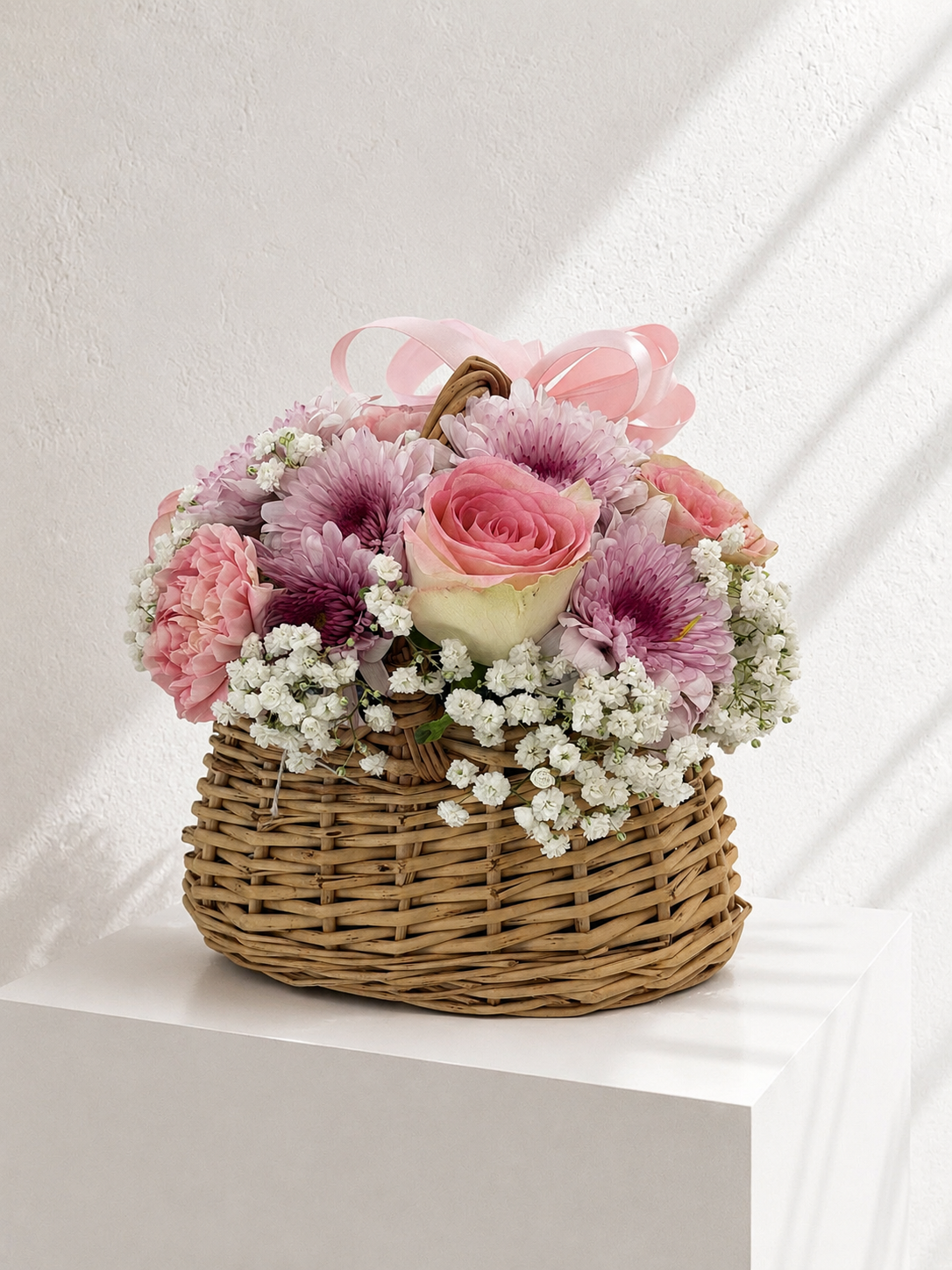
Flowers can change a room without changing the furniture. A single sculptural stem can sharpen a minimalist entrance; a low arrangement can make a dinner table feel considered; a loose bouquet can soften a highly polished living room. The most successful home flowers do more than match a colour scheme—they respond to scale, sightlines, fragrance, temperature and the way the room is actually used.
Dubai homes present a distinctive mix of conditions. Strong air conditioning can dehydrate flowers, direct window light can be intense and bouquets may move through significant outdoor heat before arriving indoors. At the same time, apartments and villas often provide clean architectural spaces where flowers can become the main source of colour and movement.
This room-by-room guide focuses on practical styling rather than rigid rules. Use it to identify the mood and shape that suit each space, then let seasonal availability and your personal style guide the final flower choice.
· Scale: match the arrangement to the furniture and surrounding empty space, not simply the size of the room.
· Sightlines: dining and coffee-table flowers should not block conversation, television screens or views.
· Fragrance: strong scent can be beautiful in an entrance but distracting beside food or disruptive in a bedroom.
· Light and airflow: avoid harsh direct sun and strong air-conditioning vents.
· Lifestyle: homes with children, cats or dogs need stable vessels and carefully selected, pet-appropriate flowers.
· Maintenance: choose a vase arrangement only if someone can refresh the water; select a designed container when easier care is needed.
The living room can carry the most expressive arrangement in the home, but “statement” does not have to mean oversized. In a compact apartment, a low architectural arrangement on a coffee table may have more impact than a tall bouquet competing with the room. In a large villa, a console or central table can support greater height and volume.
Good choices include roses for a tailored, romantic look; hydrangeas for volume; orchids for clean sculptural lines; tulips for movement; and seasonal mixed flowers for a softer, garden-inspired effect. Choose one dominant colour story. A monochromatic arrangement feels quiet and modern, while tonal reds, pinks or sunset shades create warmth.
Place flowers where they are visible on entry but not directly in the path of strong sunlight or an air-conditioning vent. If the coffee table is used daily, choose a stable, low vessel and leave enough clear surface for real life.
Dining flowers should frame the meal rather than dominate it. Low garden roses, ranunculus, tulips or small clusters of seasonal flowers work beautifully. For a long table, several compact arrangements usually create a more elegant rhythm than one tall centrepiece.
Avoid heavily scented flowers beside food, especially for dinner parties. Test the view from every chair: guests should be able to make eye contact without leaning around the flowers. Choose vessels with a secure base and keep candles, serving dishes and hands in mind when planning the width.
Bedroom arrangements work best when they feel calm and edited. A small cluster of blush roses, lisianthus, tulips or another low-scent seasonal flower can bring softness to a bedside table or dresser. White and muted colours support a quiet atmosphere, but a deep single colour can also look sophisticated in a minimal room.
Fragrance is personal. Avoid assuming that lavender, lilies or another scented flower will improve sleep. Strong perfume can bother sensitive people and true lilies are particularly dangerous in homes with cats. Keep the arrangement away from the pillow area, choose a stable vase and avoid crowding a small bedside surface.
Kitchens benefit from simple flowers with an unfussy character: spray roses, chrysanthemums, carnations, gerberas or a small seasonal mix. A narrow arrangement can sit on an island or breakfast table without taking over preparation space.
Do not place cut flowers beside the hob, oven exhaust, direct steam or a sunny window. Keep them away from ripening fruit, which releases ethylene and can accelerate ageing in sensitive flowers. A clean vase matters particularly in a food-preparation space, where water and organic debris should never be allowed to become stagnant.
An entrance is the ideal place for a confident arrangement because visitors experience it before the rest of the home. Calla lilies, orchids, roses, hydrangeas or a sculptural seasonal design can establish the mood immediately. In a narrow apartment entrance, height may be more useful than width; in a large foyer, a rounded arrangement can be viewed from several directions.
Select a vessel that cannot be knocked easily and check whether the entrance becomes warm when the door opens repeatedly. If the console also holds keys and bags, preserve practical space rather than turning the surface into a display that is constantly disturbed.
A bathroom usually needs only one small floral gesture. A compact orchid plant in suitable light, a few roses or a simple bud vase can create a calm hotel-like finish. Humidity alone does not guarantee that cut flowers will last; bathrooms can be warm, poorly ventilated and short on natural light.
Place flowers away from splashes, cleaning products and direct shower steam. Be cautious with eucalyptus and other plant materials around pets or children and do not treat concentrated plant fragrance as a universal wellness remedy. A clean, restrained display is more convincing than a crowded “spa” theme.
Flowers can make a work area feel cared for, but the desk must remain functional. One or three sculptural stems, a compact lisianthus arrangement, tulips or a small orchid can add colour without competing with screens and paperwork. Choose a stable vessel and keep water away from electronics.
Rather than relying on simplified colour-psychology claims, select colours that produce the response you personally want. Bright yellow may energise one person and distract another. The best office arrangement is one you enjoy noticing during a pause and can maintain without interrupting work.
A guest-room bouquet should feel generous but not presume preferences. Choose low-scent flowers and avoid placing pollen-heavy blooms near bedding. A small arrangement of roses, lisianthus, carnations or seasonal flowers on a dresser is usually sufficient. Add a simple care note if guests will stay for several days.
Dubai balconies and terraces can become extremely hot, even when shaded. Cut flowers should be placed outdoors shortly before guests arrive and returned to a cooler interior when practical. Select a sturdy, weighted vessel and avoid delicate flowers for long outdoor events. For permanent balcony colour, appropriate live plants are usually more suitable than maintaining cut arrangements outside.
Use a restrained palette, premium focal flowers, intentional negative space and simple vessels in glass, white ceramic or dark metal. Repeat a colour or flower form across rooms without duplicating the exact arrangement.
Combine flowers at different stages with natural movement and textural foliage. Keep the shape loose but edited; “natural” should not mean unconditioned or chaotic.
Choose one family—blush, red, white, yellow or jewel tones—and vary intensity from room to room. This creates continuity without making every space identical.
Use fewer stems with distinctive silhouettes. Orchids, calla lilies, anthuriums or carefully selected branches can work well, depending on availability and household safety requirements.
· Move flowers from the delivery vehicle into air conditioning promptly.
· Use clean vessels and remove any foliage below the waterline.
· Follow the supplied flower-food instructions and refresh water regularly.
· Keep flowers away from direct sun, heat, strong air-conditioning and ripening fruit.
· Recut stems with clean tools when appropriate; do not dismantle fixed designs without guidance.
· Remove fading material so it does not contaminate the water or distract from healthy blooms.
· Tell the florist about cats, dogs, young children, scent sensitivity and the intended room before ordering.
There is no honest universal schedule. Vase life depends on variety, freshness, conditioning, room temperature and care. Instead of replacing every arrangement automatically after one week, assess the flowers individually. Refresh the water, remove spent stems and restyle what remains. A large bouquet can often become two smaller arrangements as it changes.
The best home arrangement should look as though it belongs in your space. Share a photograph of the room, the approximate surface size, your preferred colours and whether you want a weekly focal point or flowers for a particular gathering. Kinza Flowers can translate those details into a bouquet or arrangement that feels personal, balanced and suitable for Dubai living.
Explore flowers for the home in Dubai or contact Kinza Flowers for a custom arrangement, flower bar or private floral experience.
Roses, hydrangeas, orchids, tulips and seasonal mixed arrangements can all work. Choose according to the room’s scale, light, colour palette and available surface space.
Low arrangements using garden roses, ranunculus, tulips or low-scent seasonal flowers help preserve conversation and avoid competing with food.
Yes, but use a small arrangement and keep it away from splashes, cleaning products and direct steam. Humidity does not guarantee a longer vase life.
Use a stable vase on a dresser or spacious bedside table, away from direct air-conditioning and bedding. Choose low-scent flowers if fragrance affects sleep.
Minimise heat exposure, use a clean vase, follow flower-food instructions, refresh water and keep the arrangement away from direct sun, strong vents and fruit.
Safety depends on the exact plant. True lilies and daylilies are extremely dangerous to cats. Tell your florist about pets and verify each flower before bringing it home.
=======================================================================
· Internal links: fresh flowers Dubai, custom bouquets, flower delivery, flower workshops and contact page.
· Image ideas and alt text: hero image of Kinza flowers in a modern Dubai living room; low dining-table arrangement; compact bedroom flowers; entrance statement arrangement.
· Add FAQ schema only when the visible questions and answers are identical to the markup.
· Use original Kinza photography and add a florist reviewer byline for stronger experience and trust signals.
· Confirm product availability, delivery coverage and store contact details before publishing. Remove this editor-notes section from the live article.
Flowers can change a room without changing the furniture. A single sculptural stem can sharpen a minimalist entrance; a low arrangement can make a dinner table feel considered; a loose bouquet can soften a highly polished living room. The most successful home flowers do more than match a colour scheme—they respond to scale, sightlines, fragrance, temperature and the way the room is actually used.
Dubai homes present a distinctive mix of conditions. Strong air conditioning can dehydrate flowers, direct window light can be intense and bouquets may move through significant outdoor heat before arriving indoors. At the same time, apartments and villas often provide clean architectural spaces where flowers can become the main source of colour and movement.
This room-by-room guide focuses on practical styling rather than rigid rules. Use it to identify the mood and shape that suit each space, then let seasonal availability and your personal style guide the final flower choice.
Scale: match the arrangement to the furniture and surrounding empty space, not simply the size of the room.
Sightlines: dining and coffee-table flowers should not block conversation, television screens or views.
Fragrance: strong scent can be beautiful in an entrance but distracting beside food or disruptive in a bedroom.
Light and airflow: avoid harsh direct sun and strong air-conditioning vents.
Lifestyle: homes with children, cats or dogs need stable vessels and carefully selected, pet-appropriate flowers.
Maintenance: choose a vase arrangement only if someone can refresh the water; select a designed container when easier care is needed.
The living room can carry the most expressive arrangement in the home, but “statement” does not have to mean oversized. In a compact apartment, a low architectural arrangement on a coffee table may have more impact than a tall bouquet competing with the room. In a large villa, a console or central table can support greater height and volume.
Good choices include roses for a tailored, romantic look; hydrangeas for volume; orchids for clean sculptural lines; tulips for movement; and seasonal mixed flowers for a softer, garden-inspired effect. Choose one dominant colour story. A monochromatic arrangement feels quiet and modern, while tonal reds, pinks or sunset shades create warmth.
Place flowers where they are visible on entry but not directly in the path of strong sunlight or an air-conditioning vent. If the coffee table is used daily, choose a stable, low vessel and leave enough clear surface for real life.
Dining flowers should frame the meal rather than dominate it. Low garden roses, ranunculus, tulips or small clusters of seasonal flowers work beautifully. For a long table, several compact arrangements usually create a more elegant rhythm than one tall centrepiece.
Avoid heavily scented flowers beside food, especially for dinner parties. Test the view from every chair: guests should be able to make eye contact without leaning around the flowers. Choose vessels with a secure base and keep candles, serving dishes and hands in mind when planning the width.
Bedroom arrangements work best when they feel calm and edited. A small cluster of blush roses, lisianthus, tulips or another low-scent seasonal flower can bring softness to a bedside table or dresser. White and muted colours support a quiet atmosphere, but a deep single colour can also look sophisticated in a minimal room.
Fragrance is personal. Avoid assuming that lavender, lilies or another scented flower will improve sleep. Strong perfume can bother sensitive people and true lilies are particularly dangerous in homes with cats. Keep the arrangement away from the pillow area, choose a stable vase and avoid crowding a small bedside surface.
Kitchens benefit from simple flowers with an unfussy character: spray roses, chrysanthemums, carnations, gerberas or a small seasonal mix. A narrow arrangement can sit on an island or breakfast table without taking over preparation space.
Do not place cut flowers beside the hob, oven exhaust, direct steam or a sunny window. Keep them away from ripening fruit, which releases ethylene and can accelerate ageing in sensitive flowers. A clean vase matters particularly in a food-preparation space, where water and organic debris should never be allowed to become stagnant.
An entrance is the ideal place for a confident arrangement because visitors experience it before the rest of the home. Calla lilies, orchids, roses, hydrangeas or a sculptural seasonal design can establish the mood immediately. In a narrow apartment entrance, height may be more useful than width; in a large foyer, a rounded arrangement can be viewed from several directions.
Select a vessel that cannot be knocked easily and check whether the entrance becomes warm when the door opens repeatedly. If the console also holds keys and bags, preserve practical space rather than turning the surface into a display that is constantly disturbed.
A bathroom usually needs only one small floral gesture. A compact orchid plant in suitable light, a few roses or a simple bud vase can create a calm hotel-like finish. Humidity alone does not guarantee that cut flowers will last; bathrooms can be warm, poorly ventilated and short on natural light.
Place flowers away from splashes, cleaning products and direct shower steam. Be cautious with eucalyptus and other plant materials around pets or children and do not treat concentrated plant fragrance as a universal wellness remedy. A clean, restrained display is more convincing than a crowded “spa” theme.
Flowers can make a work area feel cared for, but the desk must remain functional. One or three sculptural stems, a compact lisianthus arrangement, tulips or a small orchid can add colour without competing with screens and paperwork. Choose a stable vessel and keep water away from electronics.
Rather than relying on simplified colour-psychology claims, select colours that produce the response you personally want. Bright yellow may energise one person and distract another. The best office arrangement is one you enjoy noticing during a pause and can maintain without interrupting work.
A guest-room bouquet should feel generous but not presume preferences. Choose low-scent flowers and avoid placing pollen-heavy blooms near bedding. A small arrangement of roses, lisianthus, carnations or seasonal flowers on a dresser is usually sufficient. Add a simple care note if guests will stay for several days.
Dubai balconies and terraces can become extremely hot, even when shaded. Cut flowers should be placed outdoors shortly before guests arrive and returned to a cooler interior when practical. Select a sturdy, weighted vessel and avoid delicate flowers for long outdoor events. For permanent balcony colour, appropriate live plants are usually more suitable than maintaining cut arrangements outside.
Quiet luxury: Use a restrained palette, premium focal flowers, intentional negative space and simple vessels in glass, white ceramic or dark metal. Repeat a colour or flower form across rooms without duplicating the exact arrangement.
Garden-inspired: Combine flowers at different stages with natural movement and textural foliage. Keep the shape loose but edited; “natural” should not mean unconditioned or chaotic.
Colour-led: Choose one family—blush, red, white, yellow or jewel tones—and vary intensity from room to room. This creates continuity without making every space identical.
Minimal and sculptural: Use fewer stems with distinctive silhouettes. Orchids, calla lilies, anthuriums or carefully selected branches can work well, depending on availability and household safety requirements.
Move flowers from the delivery vehicle into air conditioning promptly.
Use clean vessels and remove any foliage below the waterline.
Follow the supplied flower-food instructions and refresh water regularly.
Keep flowers away from direct sun, heat, strong air-conditioning and ripening fruit.
Recut stems with clean tools when appropriate; do not dismantle fixed designs without guidance.
Remove fading material so it does not contaminate the water or distract from healthy blooms.
Tell the florist about cats, dogs, young children, scent sensitivity and the intended room before ordering.
There is no honest universal schedule. Vase life depends on variety, freshness, conditioning, room temperature and care. Instead of replacing every arrangement automatically after one week, assess the flowers individually. Refresh the water, remove spent stems and restyle what remains. A large bouquet can often become two smaller arrangements as it changes.
The best home arrangement should look as though it belongs in your space. Share a photograph of the room, the approximate surface size, your preferred colours and whether you want a weekly focal point or flowers for a particular gathering. Kinza Flowers can translate those details into a bouquet or arrangement that feels personal, balanced and suitable for Dubai living.
Explore flowers for the home in Dubai or contact Kinza Flowers for a custom arrangement, flower bar or private floral experience.
Context Dictates Form: Balance arrangement scale and height with sightlines, table functionality and room airflow rather than room size alone.
Mind the Microclimate: Keep arrangements shielded from direct split-unit air conditioning drafts, hot balcony windows and ethylene-producing fruit bowls.
Dining & Bedroom Restraint: Prioritize low-profile, low-fragrance blooms around dining and sleeping zones to prevent sensory fatigue.
Pet-Safe Vigilance: Avoid feline-toxic stems like true lilies in accessible residential spaces, opting for pet-safe varieties instead.
Adaptive Restyling: Extend longevity by removing spent stems, trimming remaining flowers and redistributing blooms into smaller bud vases over time.
Roses, hydrangeas, orchids, tulips and seasonal mixed arrangements can all work. Choose according to the room’s scale, light, colour palette and available surface space.
Low arrangements using garden roses, ranunculus, tulips or low-scent seasonal flowers help preserve conversation and avoid competing with food.
Yes, but use a small arrangement and keep it away from splashes, cleaning products and direct steam. Humidity does not guarantee a longer vase life.
Use a stable vase on a dresser or spacious bedside table, away from direct air-conditioning and bedding. Choose low-scent flowers if fragrance affects sleep.
Minimise heat exposure, use a clean vase, follow flower-food instructions, refresh water and keep the arrangement away from direct sun, strong vents and fruit.
Safety depends on the exact plant. True lilies and daylilies are extremely dangerous to cats. Tell your florist about pets and verify each flower before bringing it home.
Kinza Flowers is the floral atelier of Studio Kinza, crafting refined botanical pieces for residential spaces, celebrations and gifting across the UAE. Operating from Warsan First, Dubai, we treat flowers as living architectural material rather than merchandise. We design hand-tied bouquets, self-hydrating floral bags, private event styling and hands-on workshops tailored to Dubai's contemporary interiors.



Subscribe to our newsletter

