Total: Dhs. 0.00
Taxes and shipping calculated at checkout


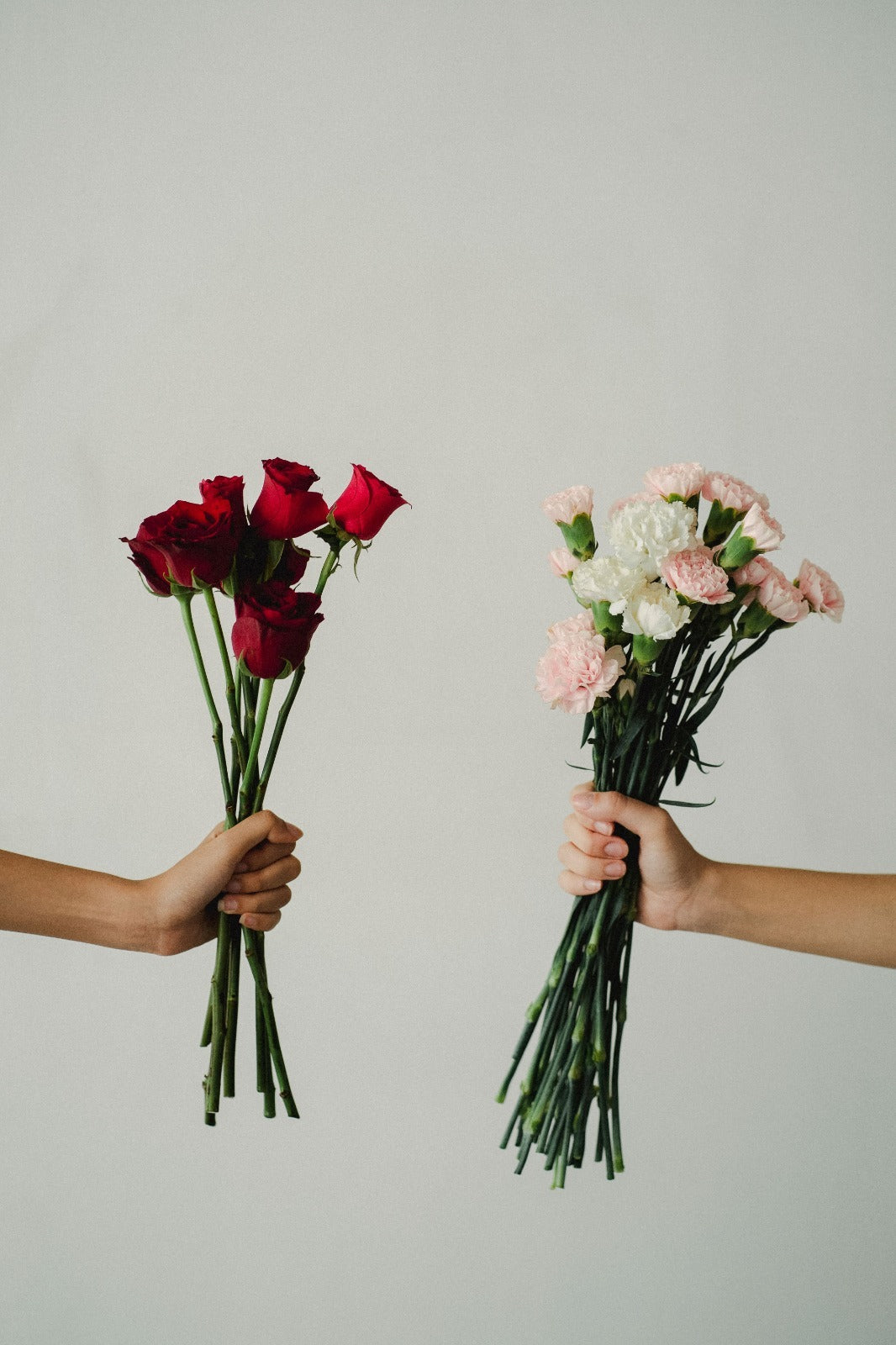
The most memorable flower gifts are usually the ones that feel genuinely tailored to the recipient, rather than a generic, one-size-fits-all bouquet. While there's no scientific formula connecting personality to specific flowers, thinking practically about someone's known preferences - their favourite colours, their home decor style, and the nature of your relationship with them - can help you choose a gift that feels considered and personal.
This guide walks through a practical, preference-based approach to choosing flowers that reflect the recipient's individual style, rather than relying on generic personality-to-flower matching.
Whether you're choosing a gift for a close partner you know inside and out, or for someone you're just getting to know, the same underlying principle applies throughout this guide: real, specific details about a person's taste will always lead to a more meaningful choice than a generic template.
It's worth noting upfront that there's no reliable science connecting personality traits to specific flower preferences, and approaches that claim otherwise are best treated as entertainment rather than genuine guidance. What actually makes a flower gift feel personal is far simpler: paying attention to what the specific person actually likes, rather than assigning them to a broad category based on assumptions about their personality type.
This practical, preference-based approach tends to produce far more meaningful results than trying to match someone to a predetermined "flower personality," since it's grounded in real, observable details about the person rather than generalizations.
Some of the most useful information for choosing a personalized flower gift comes from small, everyday details rather than a deliberate conversation about flower preferences. Noticing which flowers someone stops to admire, what they've mentioned liking in passing, or even the plants they keep at home can offer far more reliable guidance than guessing based on a general sense of their personality. Keeping a mental note of these small details over time - long before you actually need to buy them flowers - can make choosing the right gift considerably easier when the occasion arrives.
The simplest and most reliable starting point is a recipient's known colour preferences. If you know someone gravitates toward a particular colour in their wardrobe, home decor, or general taste, building a bouquet around that colour is one of the most effective ways to create a gift that feels genuinely personal. Someone who consistently wears and decorates in soft, muted tones will likely appreciate a bouquet in similar pastel shades, while someone drawn to bold, saturated colours in other areas of their life will likely respond well to a vibrant, colourful arrangement.
If you're familiar with the recipient's home, their interior home decor style can offer useful clues for choosing an appropriate arrangement, particularly for a gift they'll be displaying at home. A minimalist, clean-lined home often pairs well with a simple, single-variety arrangement in a clean colour palette, while a home filled with texture, pattern, and warmth might suit a fuller, more layered, garden-style bouquet. A modern, monochromatic space might call for a sculptural, architectural arrangement, while a more traditional, classic home decor style often suits a fuller, more classically arranged bouquet.
Beyond specific colours, it's worth considering whether the recipient generally gravitates toward a minimalist or a more maximalist aesthetic across their life. A recipient who prefers clean lines, negative space, and simplicity in their choices - from their wardrobe to their home - will likely appreciate a smaller, more restrained arrangement over an elaborate, densely packed bouquet. Conversely, someone with a more maximalist sensibility, who enjoys layering colours, textures, and patterns, will likely respond well to a fuller, more abundant arrangement with a wider variety of flowers and greenery.
Fragrance is another personal detail worth factoring into your choice, since not everyone enjoys strongly scented flowers, and some people have a genuine sensitivity to strong fragrances in enclosed spaces like a bedroom or office. If you know the recipient enjoys fragrant flowers, varieties like lilies, roses, or freesias can add an extra sensory dimension to the gift. If you're unsure of their fragrance preferences, or know they prefer a more neutral scent profile, choosing lightly scented or fragrance-free varieties is generally the safer choice.
Beyond aesthetic preferences, it's worth considering the recipient's lifestyle when choosing a flower gift. Someone with a busy schedule or frequent travel might appreciate a longer-lasting option, such as an orchid or a preserved arrangement, over a traditional cut-flower bouquet that requires more frequent care. Someone who enjoys gardening or spending time on home projects might appreciate the opportunity to arrange a classic bouquet themselves, treating it as a small creative outlet alongside the gift itself.
For people you regularly buy gifts for - a partner, a close family member, or a good friend - it can help to informally track what they've responded well to in the past. Which colours or flowers have they specifically complimented? Which past arrangements have they kept displayed the longest? Building this kind of informal preference profile over time, even just in your own memory, makes each subsequent gift easier to choose and more likely to land well.
Beyond personal style, your specific relationship with the recipient should also inform your flower choice. A close friend or partner you know well allows for a more personalized, specific choice based on details you've picked up over time, while a more distant professional or social relationship generally calls for a safer, more universally appealing arrangement - classic colours and widely appreciated flower varieties like roses, tulips, or lilies.
The occasion itself also matters alongside personality and style - a celebratory milestone might call for a bolder, more festive arrangement even for someone with generally minimalist taste, while a quieter, more reflective occasion might suit a more restrained choice even for someone with a typically maximalist aesthetic.
Before choosing a bouquet, it can help to run through a few practical questions:
What colours does this person consistently wear or decorate with?
Is their overall style more minimalist or more layered and textured?
Do they have a stated favourite flower or colour you've heard them mention before?
What's the specific occasion, and does it call for something more celebratory or more understated?
Answering these questions, even loosely, tends to lead to a far more thoughtful choice than defaulting to a generic, catch-all bouquet.
If you're choosing flowers for someone you don't know particularly well - a new colleague, a distant relative, or an acquaintance - it's generally safest to choose a classic, widely appealing arrangement in universally appreciated colours like white, soft pink, or a balanced mixed bouquet. These safer choices tend to suit a broad range of personal styles without risking a mismatch, making them a reliable fallback when specific preference information isn't available.
There's no reliable science connecting personality traits to specific flowers; known preferences matter far more than generic categories.
Known colour preferences offer the most reliable starting point for a personalized flower choice.
Home decor style can offer useful clues, particularly for a gift being displayed at home.
Consider whether the recipient leans minimalist or maximalist in their broader aesthetic preferences.
For someone you don't know well, classic, universally appealing arrangements are the safest choice.
No, there's no reliable scientific basis for this; a preference-based approach - considering known colours, home style, and relationship context - tends to produce far more meaningful results.
A classic, universally appealing arrangement in widely appreciated colours like white or soft pink is generally the safest choice when specific preference information isn't available.
Yes, if you're familiar with their home, its style can offer useful clues, particularly for a gift they'll be displaying there.
Building the arrangement around a known favourite flower or colour is one of the most effective ways to make a flower gift feel genuinely personal.
Yes, the occasion can sometimes call for a bolder or more restrained choice than someone's typical taste, particularly for a especially celebratory or reflective occasion.
Yes, if you know the recipient's fragrance preferences or sensitivities, factoring this in helps ensure the gift is genuinely well suited to them, particularly for a space like a bedroom or office.
Kinza Flowers offers a wide range of arrangement styles to suit every personal taste, from minimalist single-variety bouquets to fuller, layered designs. Browse our Signature Bouquet collection, visit our Shop, explore our flower meaning guides, or get in touch via our Contact Us page for help choosing a personalized gift.


Subscribe to our newsletter

