Total: Dhs. 0.00
Taxes and shipping calculated at checkout


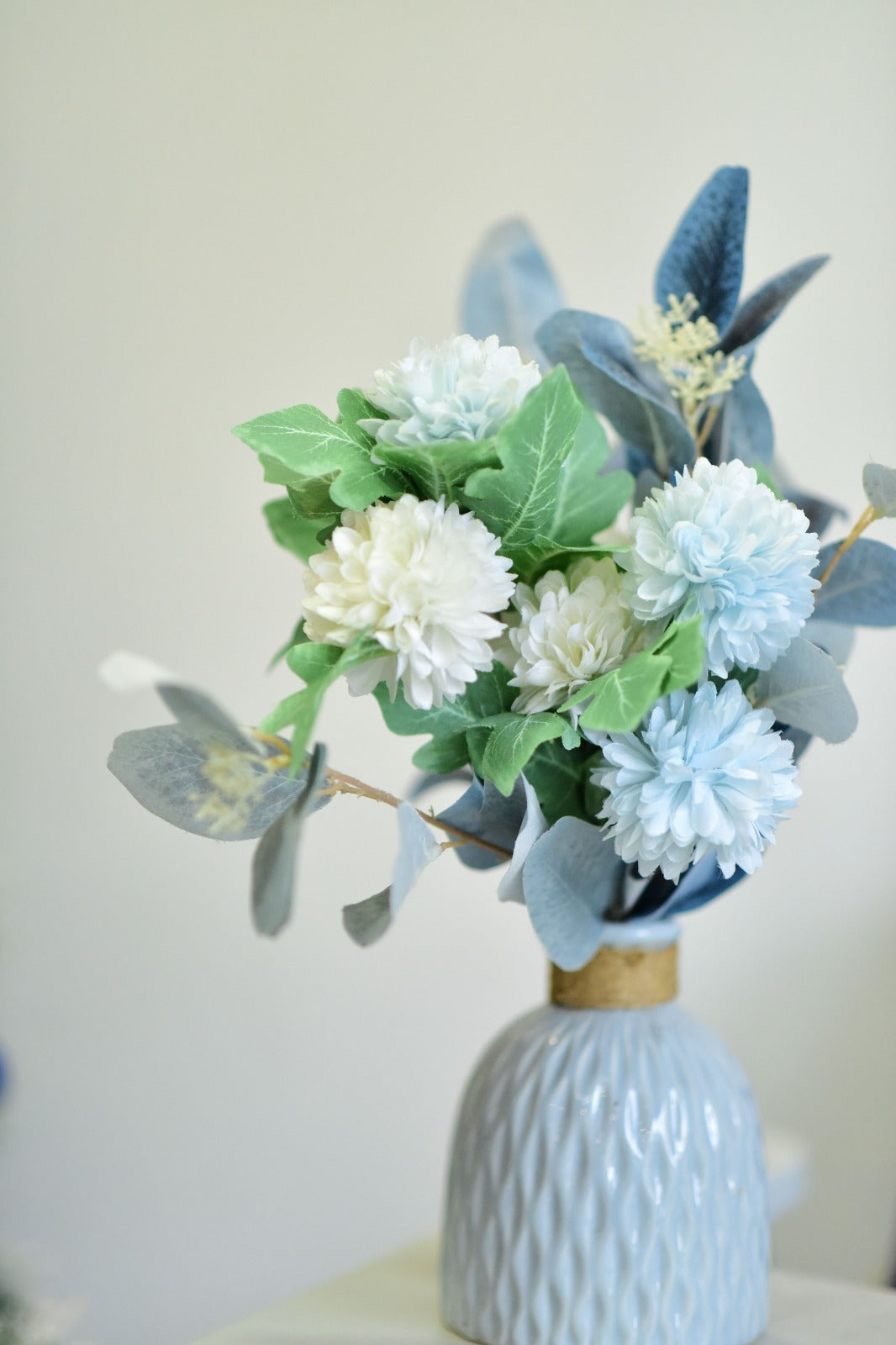
Fresh flowers can change how a room looks from the doorway. They draw attention to a table, add colour to a quiet corner and soften the lines of furniture. The right arrangement, however, depends on more than a favourite flower. Its height, width, fragrance, container and care needs should fit the way you use the space.
When choosing flowers for home decor in Dubai, also consider the exact spot where they will stand. A room can be air-conditioned while its window ledge receives strong sun. An entryway may look beautiful in a photograph yet become too warm when the door is opened repeatedly. Good placement protects the flowers and makes the display comfortable to live with.
This room-by-room guide offers aesthetic ideas, not fixed design rules. Start with your home's colours and the space available, then choose a flower arrangement that feels right to you. A small vase can be enough for a compact apartment; a larger basket may give presence to a generous living room. Personal taste should lead the decision.
Before selecting blooms, stand where you normally enter the room:
What surface first catches your eye? How much free space does it have? A bouquet that fills every inch of a coffee table may look impressive on arrival but leave no room for everyday use. Measure the available footprint and consider the arrangement from your usual seated and standing positions.
Notice light and temperature over a full day. Direct sunlight through glass can warm petals and vase water, particularly in Dubai's hotter months. Avoid placing fresh flowers next to cooking heat, an outdoor door that stays open or a strong air-conditioning vent. A comfortable indoor position away from those extremes is a more practical display choice than the sunniest part of the room.
Decide how much care you can give. A hand-tied bouquet in a vase is satisfying if you enjoy changing water and rearranging stems. A constructed container arrangement can be convenient for immediate display, but it still needs the care appropriate to its water source. Ask for instructions instead of assuming every format is maintained the same way.
Choose a visual role. Do you want a focal point, a small accent or flowers that connect several colours already in the space? A focal arrangement can be bold in scale or colour. An accent might be a few stems on a side table. A connecting arrangement can pick up a cushion, artwork or ceramic shade without matching it exactly.
The living room often has several possible surfaces: a coffee table, side table, console or shelf. Choose one that gives the arrangement room to be seen without interfering with daily activities. Flowers for living room display can be generous when the table is broad and the seating area has space, but an oversized bouquet on a narrow coffee table may feel crowded.
For a coffee table, test the height from a seated position. You should be able to see and speak to someone across it. A low, rounded arrangement or a small cluster of flowers can add colour without blocking sightlines. Keep candles, books and drinks in mind: leave clearance so hands do not brush delicate petals whenever someone reaches across.
A console behind a sofa can support a taller shape. Loose branches, varied stem heights and a vase with enough weight can make an elegant vertical display. Check whether the arrangement projects into a walkway. If children or pets use the room, a stable position beyond easy reach may be more important than the perfect styling angle.
Colour can either echo the room or introduce a new accent. A neutral interior may welcome peach, coral or deep burgundy flowers, while a colourful room can benefit from a quieter cream-and-green palette. Neither is universally more luxurious. Consider how the flowers look in both daylight and evening lighting, when warm lamps can shift the perceived colour of pale blooms.
A Signature Bouquet suits a living room when you have a vase and enjoy deciding how the stems sit. A Signature Basket may be easier to position as a finished focal display. Check approximate dimensions before ordering so the arrangement fits its intended surface.
Bedroom flowers are usually viewed at close range, often from a bed or dressing table. A modest arrangement may feel more comfortable than one that dominates the room. Choose a secure surface where the flowers cannot be knocked over when you reach for a lamp, phone or book. Leave space around drawers and mirrors that open or move.
Fragrance is a matter of preference. Some people love a scented flower near their bed; others would rather keep strong scent out of the sleeping area. Ask about the varieties in an arrangement if this matters to you. A simple, lightly scented or low-fragrance mix can be a good fit for someone who wants bedroom flowers mainly for colour and shape. Do not assume a particular flower will improve sleep or wellbeing; choose it for its appearance and the recipient's enjoyment.
A bedside vase with a few stems can be especially appealing in a small room. It is easy to move for water changes and does not require a large clear surface. If the dressing table has more space, a wider bouquet may make sense. Check that a mirror does not reflect a dense mass of flowers that makes the area feel cluttered; a more open design can be easier on the eye.
Avoid placing flowers directly under an air-conditioning vent or beside a sunlit bedroom window. Many Dubai homes cool bedrooms heavily overnight, so inspect where the airflow lands (see our advice on keeping flowers fresh in air conditioning for optimal room placement). If you keep the bedroom very cool and move the bouquet to a warm balcony during the day, the changing conditions may be unhelpful for cut flowers. Give them a consistent indoor home.
Dining table flowers are part of a shared space. The arrangement should look attractive from several seats and leave enough room for plates, serving dishes and conversation. Sit on both sides of the table before deciding that a tall centerpiece works. If flower heads obscure a person's face, use a lower vessel or move the arrangement to a sideboard during meals.
A round table can suit a compact, all-around design. A long rectangular table may look good with one central arrangement, a few small bud vases spaced along it or a pair of balanced displays. These are aesthetic choices rather than requirements. The right option depends on how much of the table you need for food and whether people sit at the ends.
Consider fragrance alongside food. Strongly scented flowers placed close to plates may compete with a meal for some people. Ask the florist for a restrained fragrance profile if the arrangement will remain on the table while dining. Also check for loose petals or pollen that might fall near food. A stable vase and clean surrounding surface keep the dining experience pleasant.
For everyday use, choose a shape that can be lifted easily when you need the full table. A large heavy basket may be better on a nearby sideboard, where it can still be seen without needing to be moved at each meal. A low bouquet in a simple vase gives you more flexibility if you often rearrange your dining space.
The entryway is where an arrangement can welcome people before they see the rest of the home. A taller design on a console can suit a spacious entrance. In a compact apartment, a small arrangement beside a tray for keys may be enough. Keep the practical functions of the surface intact, especially if bags or deliveries are often set down there.
Consider the path through the doorway. Flowers should not catch on clothing or shopping bags, and the vase should not sit near an edge where a swinging door can knock it. In Dubai, frequent opening to a hot corridor or exterior entrance may affect the spot closest to the door. Choose a position farther inside if that entrance changes temperature noticeably.
An entryway often has less natural light, which can make pale flowers stand out. Deep colours can look dramatic under a suitable lamp, but check them in the actual light before deciding. If the console has a mirror, it doubles the visual impression of the arrangement. You may need fewer stems than you first thought.
For guests or an occasion, a basket or other finished arrangement can make the entrance feel considered as soon as it arrives. For everyday flowers, a vase you can lift to a sink may be easier to maintain. Leave room around any card, decorative object or lamp so the display does not become a collection of competing focal points.
Home decor flowers in a work area should fit around the work, not demand that you move your laptop every morning. A small bud vase or compact arrangement on a side shelf can add colour while leaving the desk clear. If you want flowers in the camera frame for video calls, check the view at screen height; a tall flower directly behind your head may look awkward on camera even when it looks lovely from the doorway.
Keep water safely away from electronics and paperwork. Put the vase on a level surface, allow clearance for cables and protect the desk if the material is sensitive to water. A stable ceramic or glass vessel is useful when the desk is bumped often. If the flowers are close to an air-conditioning outlet, move them to a shelf with gentler airflow.
For an office that doubles as a guest room, choose an arrangement that is easy to relocate. A compact hand-tied bouquet can move from desk to side table when guests arrive. An asymmetrical, sculptural display might suit a dedicated workspace with more room. Again, the deciding factors are available space and your taste, not a prescribed professional look.
Kitchens have changing heat, steam and counter demands. A small vase away from the stove, direct sunlight and food preparation zone can brighten a breakfast corner. Do not sacrifice safe working space for a large arrangement. Check its water regularly, especially if the room warms during cooking, and keep the vase away from surfaces where it might be knocked into food.
Bathrooms can be humid, compact and short on stable surfaces. A small display may work on a generous shelf or counter, provided it is not in the path of a cabinet door or daily toiletries. A bouquet placed beside a hot shower or a frequently opened window may experience fluctuating conditions. If the bathroom has very little space or light, put the flowers elsewhere in the home where you will enjoy them more.
These rooms also show why one large bouquet need not stay intact. If you have extra stems, separate a few into a clean bud vase for a small accent. Keep the remaining bouquet loose enough in its main vase. This gives you two displays suited to different spaces without buying another large arrangement.
Start with a colour already present in the room and decide whether to repeat it, soften it or contrast with it. If your furnishings are warm beige and wood, peach and cream flowers may create a gentle transition. Burgundy or vivid orange could become a stronger focal accent. Cool grey and blue interiors might welcome white flowers with green foliage or a deliberately warm contrast.
Texture matters as much as colour. Broad, rounded blooms bring fullness; small flowers create detail; airy foliage allows light through the arrangement. A minimal room can carry either a restrained single-variety bouquet or a loose, sculptural mix. Look at the lines of your furniture and the shape of your vase to decide what feels coherent (for more silhouette ideas, see our guide to flower arrangement styles).
Do not feel obliged to match flowers to the room perfectly. Fresh flowers are temporary, so they offer a low-commitment way to try a colour you would not choose for permanent upholstery or paint. If you find a combination you love, note the palette and approximate scale for a future order. Product photographs can help you describe a style, though exact flowers and shades may vary with availability.
A vase bouquet lets you change the shape and divide stems among rooms. It also asks you to supply a suitable vessel, trim the stems and refresh the water. A finished basket or other container can go straight onto a table, although its specific water source still needs attention. Neither format is automatically better for interior decor. Choose based on where the flowers will stand and how you prefer to care for them.
If you are ordering for your own home, tell Kinza Flowers the room, approximate surface size, preferred palette and whether the arrangement must look good from all sides. Mention a strong-fragrance preference, pets or other practical concerns before the design is selected. A useful brief might be: “A low arrangement for a four-person dining table, mostly peach and cream, with enough room for dinner service.”
If you are gifting flowers for somebody else's home, avoid guessing at exact interiors unless you know their style. A flexible palette and manageable size can be easier for them to place. A Shop selection that fits a side table may be more welcome than a very large design that requires rearranging furniture.
Clean water, a clean vase and suitable placement help a bouquet retain its appearance. Check the water each day, remove leaves below the waterline and refresh cloudy water. For a constructed basket or floral bag, follow the care directions for its particular base. Remove spent blooms as they appear rather than leaving them among healthy stems.
Look at the display location again after a day. Sun may cross a coffee table at a different hour than when you first placed the vase. Air-conditioning airflow may land directly on petals when a vent setting changes. Adjusting the location can help preserve the arrangement and protect furniture from water or falling petals.
Flowers are natural materials, so different varieties open and finish at different rates. You can move a few remaining blooms into a smaller vase as the arrangement changes. Kinza Flowers' Flower Care guidance offers more detail on looking after your flowers at home.
Choose each arrangement's size and shape for its actual surface and viewing angles.
Keep living-room and dining-table sightlines clear while allowing the flowers to be seen.
Consider fragrance, movement around the room and water safety in bedrooms and workspaces.
Avoid direct sun, heat and strong air-conditioning airflow when choosing a spot in Dubai.
Select a bouquet or finished container according to how you want to display and care for it.
The best choice depends on the room's size, colours and the surface you have available. A larger bouquet may suit a spacious console; a low, compact arrangement works better on a busy coffee table. Choose varieties and a palette you enjoy, then confirm that the vase is stable and easy to maintain.
Yes, if there is a safe surface and the fragrance suits the people using the room. A small bedside vase or dressing-table arrangement can add colour without crowding the space. Avoid strong vent airflow and direct sun, and do not assume flowers have medical or sleep benefits.
There is no universal measurement because tables and seating differ. Sit at the table and check whether people can see one another across the arrangement. If the flower heads block faces, make the display lower or move it to a sideboard while dining.
A strong direct stream of air can dry delicate flowers. Choose a nearby location with gentler airflow instead, while keeping the arrangement indoors and away from direct sunlight or heat. Check the spot at the times of day when your air conditioning is usually running.
A bouquet gives you freedom to select a vase and rearrange its stems. A basket is a finished display with its own container and care directions. Compare the available surface, intended look and maintenance routine; neither format is inherently more appropriate for every room.
As many as suit your space and preferences. One arrangement in a room you use often may have more impact than several crowded displays. A larger bouquet can also be divided into a main vase and a small bud vase when the stems and design allow it.
Kinza Flowers creates floral arrangements for everyday spaces and celebrations in Dubai. Explore the Shop, compare a Signature Bouquet with a Signature Basket, read Flower Care advice, or learn more About Us.




Subscribe to our newsletter

