Total: Dhs. 0.00
Taxes and shipping calculated at checkout


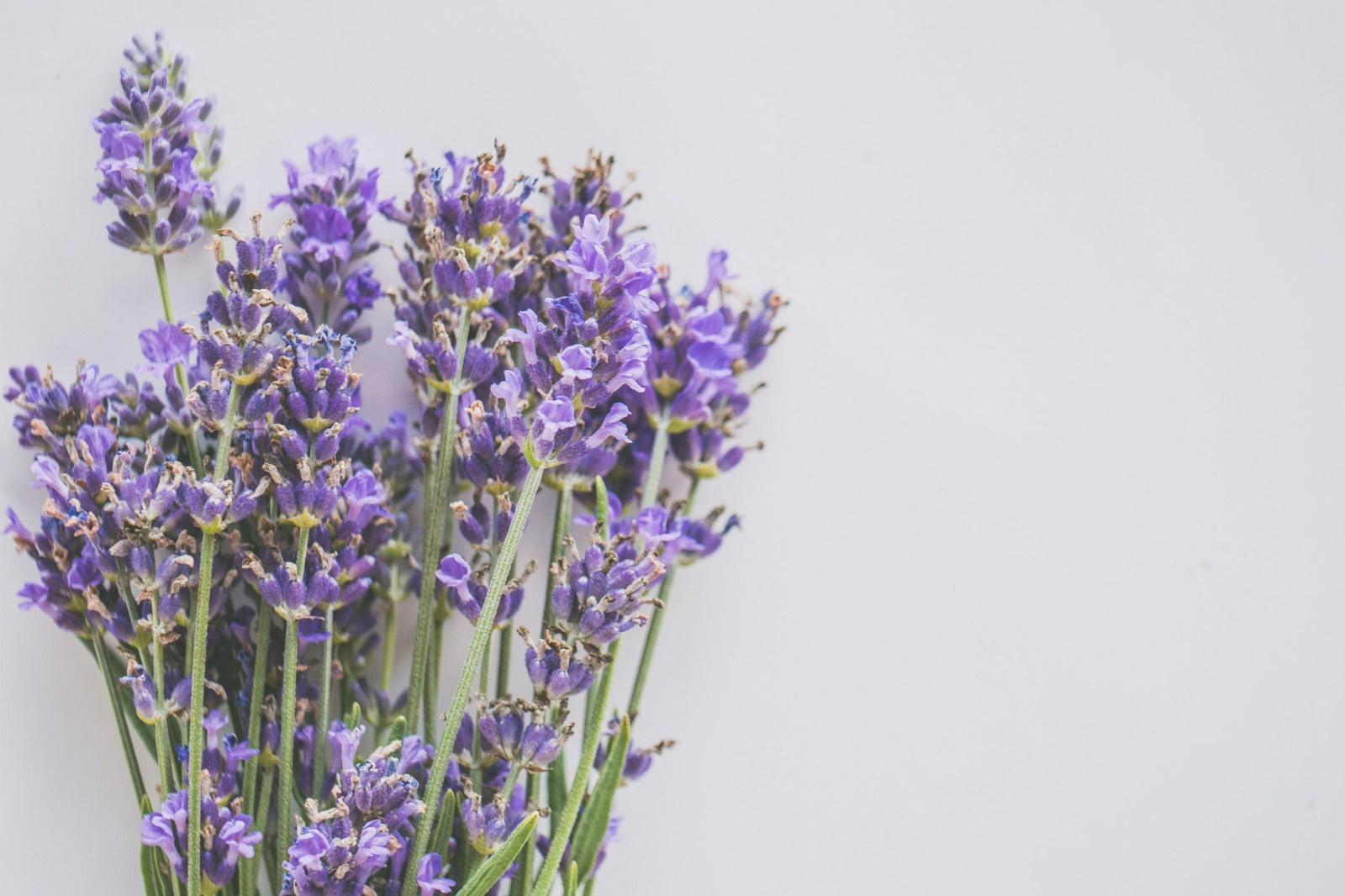
Lavender occupies a distinctive place among flowers - it's as well known for its fragrance and soft purple colour as it is for its long history in gardens, perfumery and floral design. Whether used as a standalone bunch or as an accent within a larger bouquet, lavender brings a distinctive, calming visual and aromatic character that few other flowers replicate.
Botanically, lavender belongs to the genus Lavandula, a group of flowering plants native to the Mediterranean region, now cultivated widely around the world for both ornamental and fragrance purposes. Its narrow, upright stems and small clustered purple blooms give it a recognizable silhouette that works well both on its own and mixed into a fuller arrangement.
This guide covers what lavender symbolizes, its most recognized colours, the difference between the common varieties you'll come across, how to care for it as a cut flower and the best occasions to consider a lavender gift or arrangement.
Lavender has been cultivated for centuries across the Mediterranean and beyond, originally valued for its distinctive scent and its use in traditional practices long before it became a mainstream cut-flower and décor choice. Today it's grown commercially in several regions worldwide, with growing conditions - particularly soil, altitude and climate - shaping small differences in stem length, bloom density and colour depth from one source to another.
In modern floristry, lavender has moved well beyond its traditional garden role. It now shows up as a standalone bunch, a textural accent in mixed bouquets, a dried décor element and even as a subtle addition to wedding florals, thanks to its narrow silhouette and soft, muted colour palette that pairs easily with almost any other bloom.
Lavender is broadly associated with calm, grace and serenity, an association that comes as much from its soft colouring and gentle fragrance as from any specific historical flower-language tradition. It's also linked in some contexts to devotion and purity, making it a versatile choice for both romantic and non-romantic gifting occasions.
Because lavender's meaning leans more toward a general mood - calm, gentle, understated - than a specific, pointed symbolism, it works well as a flexible addition to many kinds of arrangements rather than being tied tightly to one particular occasion the way some other flowers are.
While lavender is best known for its signature soft purple hue, the exact shade can range from a pale, silvery lilac to a much deeper violet-blue, depending on the specific variety and growing conditions. This range gives florists some flexibility in how lavender is used - a paler shade blends softly into a mixed bouquet, while a deeper, richer tone can serve as a more prominent accent colour.
Purple flowers more broadly are often associated with elegance and a touch of romance and lavender's specific shade tends to read as more understated and calming than the bolder violets and deep purples found in flowers like orchids or certain roses.
Not all lavender sold commercially is identical and knowing the broad differences can help you choose the right type for your purpose:
English lavender: Generally considered the classic variety, with a compact form and the soft, rounded colour most people picture when they think of lavender.
French lavender: Tends to have slightly larger, more textured flower heads and a somewhat more silvery-green foliage, giving arrangements a slightly different visual character.
Spanish lavender: Recognizable by distinctive "ears" or bracts at the top of each bloom, giving it a more unusual, decorative silhouette that some florists use specifically for that point of visual interest.
For most gifting and home-décor purposes, the exact variety matters less than the overall look and freshness of the stems, but it's a useful distinction to know if you're specifically after a particular texture or silhouette for an arrangement.
One distinction worth understanding before buying lavender is the difference between fresh and dried lavender, since both are commonly available and serve different purposes:
Fresh lavender: Offers a brighter colour and a more delicate, immediate fragrance, but has a shorter usable lifespan as a cut flower compared to hardier blooms.
Dried lavender: Retains its colour and fragrance for months or even longer, making it a popular choice for long-lasting home décor, sachets, or as a rustic accent in more permanent arrangements.
Neither option is inherently better - the right choice depends on whether you want a fresh, temporary arrangement or a longer-lasting decorative piece and many florists offer both depending on the intended use.
As a cut flower, fresh lavender benefits from many of the same basic care principles as other stems - trim at an angle, place in clean water and keep away from direct heat and sun. Because lavender stems are relatively thin and woody compared to softer-stemmed flowers, a clean, sharp cut is particularly important for good water uptake.
If you'd like to dry lavender for longer-term use, hang small bunches upside down in a cool, dry, well-ventilated spot out of direct sunlight. This traditional drying method preserves much of the lavender's colour and fragrance and dried bunches can last for many months when kept away from humidity.
In Dubai's climate specifically, fresh lavender benefits from being kept away from direct air-conditioning airflow, which can dry out its already delicate stems and petals faster than in more humid environments. If you're drying lavender at home, choose a spot away from direct sunlight and excess humidity, since both can cause the colour to fade more quickly or encourage mould in tightly bunched stems.
A few habits tend to shorten lavender's vase life unnecessarily:
Overcrowding the vase: Crowding a vase with too many stems restricts airflow around each bunch, which can accelerate wilting, especially in a warm climate.
Submerged foliage: Leaving spent or yellowing lower leaves submerged in the vase water speeds up bacterial growth and clouds the water faster than clean stems alone would.
Ethylene exposure: Placing lavender near ripening fruit is worth avoiding, since the ethylene gas released by fruit can shorten the vase life of many cut flowers, lavender included.
Lavender works particularly well as a calming, understated gift for occasions that call for a gentle rather than bold gesture - a thank-you, a get-well wish, or simply a thoughtful addition to someone's home. It's also a popular choice mixed into wedding florals for a soft, romantic, slightly rustic aesthetic and its fragrance makes it a favourite for home décor arrangements displayed in bedrooms or living spaces.
A small bunch of dried lavender also makes a lovely, long-lasting addition to a gift alongside a fresh bouquet, offering the recipient something that continues well beyond the fresh flowers' natural vase life.
Lavender's narrow form and muted purple tone make it an easy addition alongside roses, eucalyptus, white daisies and other soft-toned blooms, where it adds texture and a gentle contrast without overwhelming the arrangement's overall palette. It's often used as a supporting element rather than the main focal flower, giving a bouquet a slightly wild, garden-style character that pairs particularly well with our Signature Bouquet styling.
For a more minimalist look, a single-variety bunch of lavender on its own - fresh or dried - can work beautifully in a smaller vase or bottle, offering a quiet, understated statement that fits well in a bedroom, study, or reading corner.
Lavender has become a popular choice for rustic and garden-style wedding florals, whether tucked into bridal bouquets, scattered along table settings, or bundled as favours for guests to take home. Its soft colour palette photographs well and complements a wide range of wedding colour schemes, from all-white minimalist florals to warmer, earth-toned palettes. For couples planning an event through our Events service, lavender can be incorporated as a recurring accent across bouquets, centerpieces and décor for a cohesive, garden-inspired theme.
Calm and Serenity: Lavender symbolizes calm, grace and serenity, making it a flexible, gentle gifting choice.
Color Spectrum: Its signature purple shade ranges from pale lilac to deeper violet-blue depending on variety.
Fresh vs. Dried: Fresh lavender offers brighter colour and stronger initial fragrance; dried lavender lasts far longer.
Stem Care: Fresh lavender needs the same basic stem care as other cut flowers - clean cuts and regular water changes.
Versatile Styling: Works well for thank-you gifts, wedding florals and long-lasting home décor.
Lavender is broadly associated with calm, grace and serenity, along with secondary associations of devotion and purity in some traditions, making it a versatile, gentle gifting choice.
This depends on your purpose - fresh lavender offers brighter colour and stronger fragrance for a shorter period, while dried lavender lasts significantly longer and works well for ongoing home décor or sachets.
Fresh lavender generally lasts about one to two weeks with proper care, similar to many other cut flower varieties, though this can vary depending on the specific growing conditions and freshness at purchase.
Yes, lavender is commonly used as an accent within mixed bouquets, adding both a distinctive purple tone and a gentle fragrance alongside other flowers like roses or eucalyptus.
English lavender has the classic compact form most people associate with the flower, French lavender has larger, more textured blooms and silvery foliage and Spanish lavender is recognizable by distinctive "ears" at the top of each flower head. For most gifting purposes, overall freshness matters more than the specific variety.
Yes, lavender's soft colouring and gentle presence make it a natural fit for anyone who prefers understated arrangements over bold, statement-making bouquets.
Fresh lavender can be more sensitive to heat and dry air-conditioning airflow than some hardier flowers, so it's best kept in a cool spot away from direct vents and sunlight; dried lavender is generally more resilient to the local climate.
Kinza Flowers offers both fresh and dried lavender arrangements as part of our seasonal collection. Browse our Shop, explore our other Flower Care guides, or visit our About Us page to learn more about our sourcing.

Subscribe to our newsletter

