Total: Dhs. 0.00
Taxes and shipping calculated at checkout


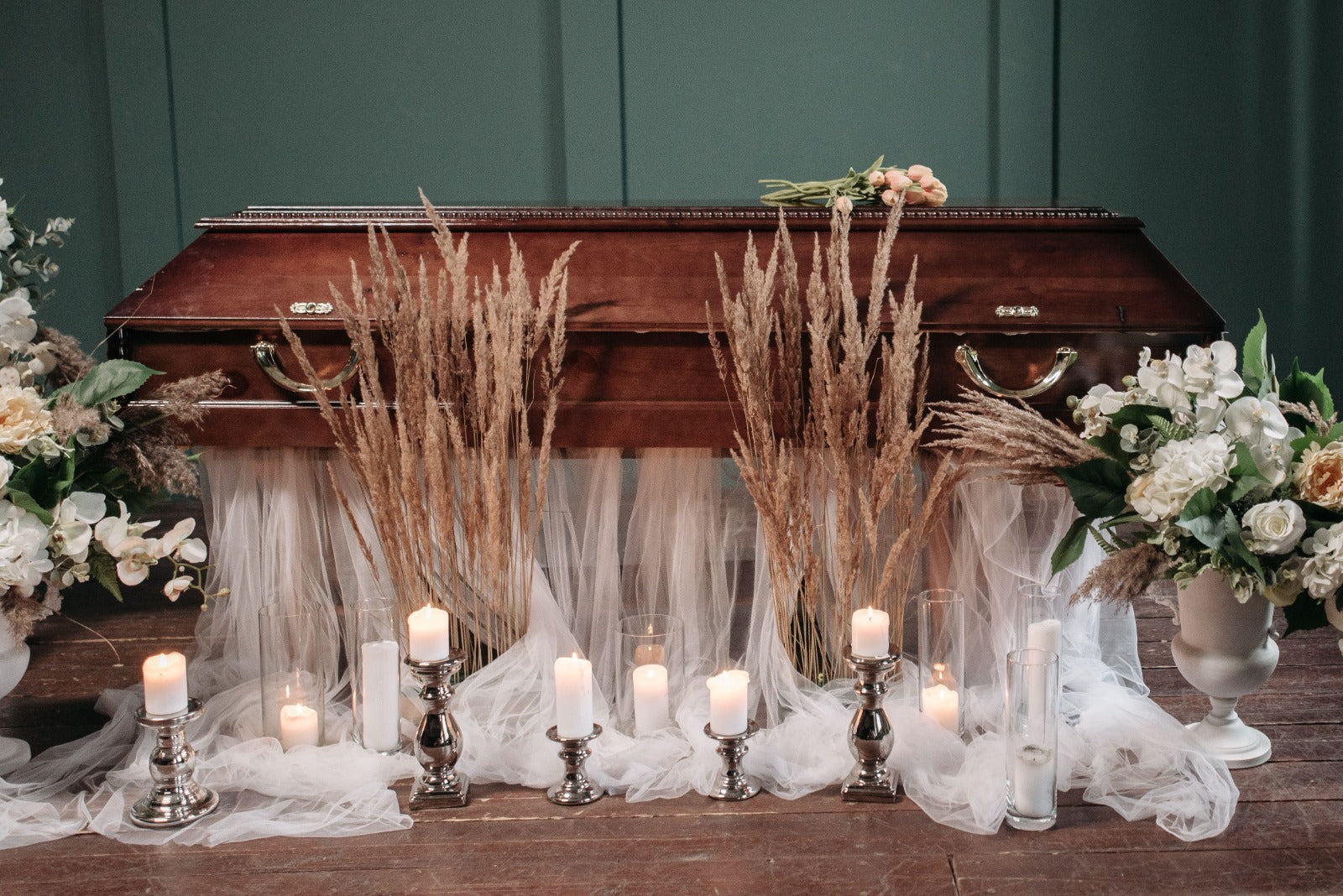
Note: Mourning and funeral customs vary significantly across cultures, religions and individual families. This guide offers general, respectful gifting considerations; when in doubt about a specific family's traditions, it's always appropriate to ask a mutual contact or the family directly, or to consult community or religious guidance specific to their background.
Expressing condolences through flowers is a long-standing tradition in many cultures, offering a quiet, respectful way to show support for someone experiencing loss. Because customs around sympathy and mourning vary considerably across cultures and religions, choosing an appropriate arrangement in a place as culturally diverse as Dubai calls for a bit of thoughtful consideration.
This guide covers general sympathy flower etiquette, colour and arrangement considerations and practical delivery guidance to help you send a respectful, appropriate gesture during a difficult time.
Because grief and mourning are deeply personal and customs surrounding them vary so widely, this guide is intended as a general starting point rather than a definitive rulebook. When in doubt about what's appropriate for a specific family or situation, the most respectful path is always to ask someone close to them or to consult guidance specific to their community.
It's worth distinguishing between flowers sent as a personal condolence gesture - typically to a grieving individual or family's home, workplace, or another appropriate setting - and flowers used as part of formal funeral or burial customs, which vary significantly by religion and culture and are often organized directly by the family or religious community rather than through general gift-giving.
In many Islamic traditions, for example, flowers are not typically part of funeral or burial customs themselves and mourning practices instead emphasize prayer, community support and specific religious rites. In these cases, a personal condolence gesture - such as flowers sent to the family's home in the days following the loss, rather than to a funeral service itself - along with a thoughtful message, is generally a more culturally appropriate way to express sympathy than flowers sent to accompany a burial. If you're unsure about a specific family's traditions, it's respectful to ask for mutual contact, or to consider a different form of condolence gesture, such as a card or a charitable donation, particularly if you're not certain flowers would be an appropriate or welcomed gift in that specific cultural or religious context.
In many Western, Christian, Hindu and other traditions, flowers are more commonly incorporated directly into funeral services, wakes, or memorial gatherings, either sent to a funeral home, a place of worship, or the family's home, depending on local and family-specific customs.
Because Dubai is home to such a wide range of cultural and religious backgrounds, taking a moment to understand the specific customs relevant to the family you're supporting - rather than assuming a single universal etiquette - is the most respectful approach.
In a professional context, sending flowers on behalf of a company or a group of colleagues is a common way to express condolences for the loss of a colleague, a colleague's family member, or a business contact. In these cases, it's generally appropriate to coordinate the gesture through HR or a designated senior colleague, both to ensure the arrangement reflects appropriate cultural sensitivity and to avoid multiple, potentially conflicting individual gestures arriving separately. A modest, tasteful arrangement sent on behalf of the wider team or company is often more appropriate than an especially large or elaborate display in a professional setting.
White is broadly considered the most universally respectful and appropriate colour for sympathy arrangements across many cultures, generally associated with peace, purity and remembrance. Understanding traditional flower color meanings helps navigate these nuances; soft, muted tones - pale lavender, soft green, or gentle cream - are also widely considered appropriate, offering a gentle, understated visual tone suited to the occasion.
It's generally best to avoid particularly bright, bold, or celebratory colour combinations for a sympathy arrangement, since these can read as more appropriate for a joyful occasion than a somber one. That said, some cultures and individual families do incorporate the deceased's favourite colours into sympathy arrangements as a personal, celebratory tribute to their life, so if you know the family well, it's worth considering whether a more personalized approach might be appropriate in that specific case.
A more understated, classic arrangement style is generally appropriate for sympathy gifting, favouring elegant simplicity over an elaborate or overly decorative presentation. A basket arrangement is often a practical and appropriate choice, since it can be displayed easily in a shared space such as a family's home or a memorial gathering without requiring anyone to locate a vase during an already difficult time. Reviewing our comparison between a flower box or basket can help determine which self-contained presentation best fits the recipient's space.
Standing arrangements or wreaths, common in some Western funeral traditions, are typically arranged directly with a funeral home or religious venue rather than through standard gifting channels, so it's worth checking with the specific venue or family if this type of arrangement is being considered.
Keeping an accompanying message simple, sincere and brief is generally more appropriate than an elaborate or lengthy note. Simple expressions of sympathy, support and remembrance tend to be well received across most cultural contexts, while overly specific language about the nature of the loss is best avoided unless you know the family's preferences well. If you're uncertain about appropriate wording for a specific cultural or religious context, keeping the message general and heartfelt is a safe, respectful default.
Timing matters considerably in sympathy gifting and appropriate timing again varies by cultural and religious context. In some traditions, flowers or condolence gestures are most appropriate in the days immediately following a loss, while other cultures observe specific mourning periods during which condolence visits and gifts are particularly meaningful. If you're unsure of the appropriate timing for a specific family's situation, sending flowers within the first week following the loss is generally considered appropriate across most contexts, though reaching out to a mutual contact for guidance is always a respectful option when you're uncertain.
When arranging sympathy flower delivery in Dubai, it's worth confirming the most appropriate delivery location directly - whether that's the family's home, a workplace, or another setting - rather than assuming a funeral venue is the right destination, particularly given how much this varies by religious and cultural tradition. If delivering to a private home during a mourning period, it's also considerate to confirm an appropriate delivery window, since the household may have specific visiting hours set aside for receiving condolences.
Above all, the most respectful approach to sympathy gifting in a culturally diverse setting like Dubai is to lead with genuine care and a willingness to ask when uncertain, rather than assuming a single approach applies universally. When in doubt, a simple, sincere gesture - offered with respect for the specific family's traditions - is always appropriate, even if it means choosing a different form of condolence altogether.
If flowers aren't an appropriate gesture for a specific family's traditions, alternative expressions of support - a thoughtful meal, a charitable donation made in the person's memory, or simply offering practical help in the days following the loss - can be equally meaningful ways to show you care, without relying on flowers specifically.
When selecting a florist for a sympathy arrangement, it can help to work with one familiar with the range of cultural considerations relevant to a diverse city like Dubai, since an experienced florist can often offer helpful guidance on appropriate colours, styles and timing for a specific situation. It's also worth communicating clearly about the intended recipient and occasion when placing the order, so the florist can help ensure the final arrangement is both tasteful and appropriate.
Mourning and funeral customs vary significantly by culture and religion, so it's worth understanding the specific family's traditions before choosing a gift.
White and soft, muted tones are broadly considered the most universally appropriate sympathy colours.
A simple, understated arrangement style, such as a basket, is generally more appropriate than an elaborate display.
Keep accompanying messages brief, sincere and general unless you know the family's specific preferences.
When uncertain about appropriate customs, it's respectful to ask a mutual contact or consider an alternative gesture.
No, customs vary significantly - some traditions do not typically incorporate flowers into funeral or burial customs, so it's respectful to understand a family's specific background before sending flowers and to consider an alternative gesture if you're uncertain.
White and soft, muted tones are broadly considered the most universally respectful choices, though this can vary depending on the specific family and cultural context.
This depends heavily on the specific cultural and religious tradition involved; it's best to confirm the appropriate delivery location directly rather than assuming, since practices vary significantly across communities in Dubai.
Keep the message simple, sincere and general, expressing support and remembrance without assuming details about the nature of the loss unless you know the family well.
Yes, asking a mutual contact or someone familiar with the family's traditions is a respectful and considerate way to ensure your gesture is appropriate to their specific cultural and religious context.
Kinza Flowers offers understated, respectful sympathy arrangements with guidance available on delivery timing and presentation. Get in touch via our Contact Us page for help planning a considerate condolence gesture, learn more About Us, or browse our Shop for available arrangements.


Subscribe to our newsletter

