Total: Dhs. 0.00
Taxes and shipping calculated at checkout


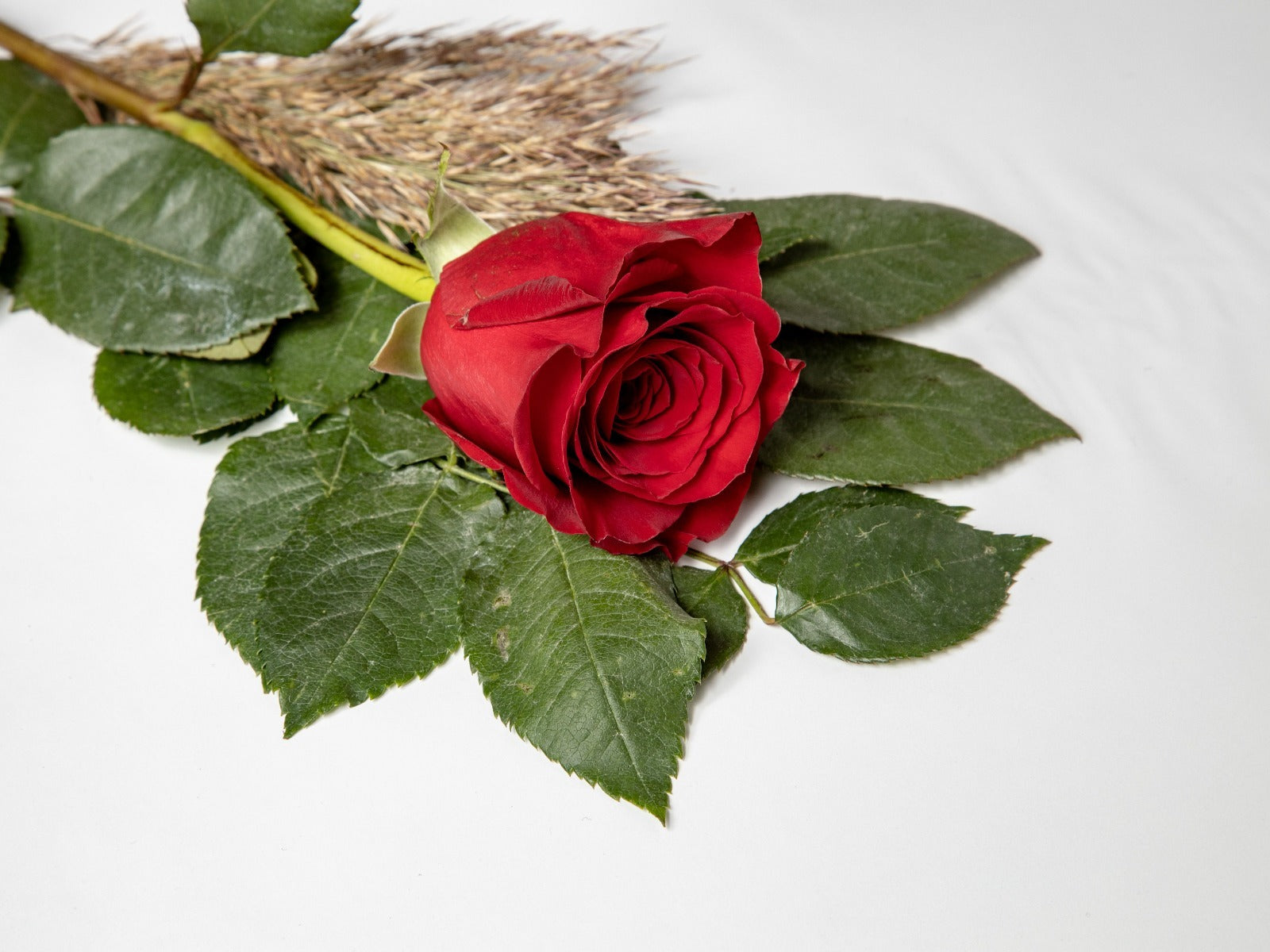
When choosing a flower gift, most people default to fresh-cut flowers without necessarily considering the alternatives — but preserved and dried flowers have become increasingly popular options, each offering distinct advantages depending on your purpose. Much like deciding between fresh vs artificial flowers, understanding the real differences between these three natural floral categories can help you choose the option that best fits your occasion, budget, and the recipient's lifestyle.
This guide compares fresh, preserved, and dried flowers across appearance, care requirements, longevity, and gifting purpose, to help you make a more informed choice.
None of the three options is inherently superior to the others — each serves a genuinely different purpose, and understanding those differences is really the key to choosing well, rather than assuming fresh flowers are always the default "correct" choice.
Fresh flowers are living, recently cut blooms in their natural state, offering the most vibrant colour, texture, and often fragrance of the three categories. They require regular care — clean water, trimmed stems, and protection from heat and direct sun — to maintain their appearance, and typically last anywhere from about five days to two weeks depending on the specific flower variety and how you care for them. Learning how to make fresh flowers last longer can help maximize their vase life in air-conditioned interiors.
Fresh flowers are the traditional choice for most gifting occasions, offering an immediate, vivid visual impact that preserved and dried flowers, while beautiful in their own right, don't quite replicate in the same way. Their natural fragrance is also a meaningful part of the experience for many recipients — something neither preserved nor dried flowers typically offer to the same degree, since much of a flower's scent fades as it's processed for preservation or drying.
Preserved flowers are real flowers that have undergone a specialized process — typically involving a glycerin-based solution — that replaces the natural moisture in the plant while maintaining much of its original softness, colour, and shape. Unlike dried flowers, preserved flowers retain a notably more lifelike, supple appearance and texture, often making them difficult to distinguish from fresh flowers at a glance.
Preserved flowers require essentially no maintenance — no water, no trimming, no risk of wilting — and can last anywhere from one to several years depending on the specific preservation method, flower variety, and how the arrangement is stored and displayed.
This process, sometimes called eternity or forever flowers, has grown particularly popular for milestone occasions where a couple or individual wants to keep a meaningful arrangement — such as a wedding bouquet or an anniversary gift — as a lasting memento rather than watching it fade within a week or two.
Dried flowers have had their natural moisture removed entirely, typically through air-drying, pressing, or silica gel drying methods, resulting in a more textured, muted, and rustic appearance compared to fresh or preserved blooms. Varieties like dried lavender, baby's breath, and decorative seed pods have a distinctly different aesthetic — often prized specifically for their faded, vintage-inspired colour palette and papery texture, rather than trying to replicate the appearance of fresh flowers.
Like preserved flowers, dried flowers require no ongoing maintenance and can last for many months to several years, though they are generally more fragile and prone to crumbling or fading over time compared to preserved flowers, particularly if displayed in direct sunlight or humid conditions.
Fresh flowers offer the most vivid, true-to-life colour and the fullest, most natural texture, since they're simply living blooms at their peak. Preserved flowers come remarkably close to this natural appearance, often maintaining much of their original colour and softness for a strikingly long time. Dried flowers offer the most distinctly different aesthetic of the three — a muted, textured, vintage-inspired look that many people specifically seek out for a particular decorative style, rather than viewing it as a lesser alternative to fresh or preserved options.
Fresh flowers require the most ongoing care of the three categories — regular water changes, stem trimming, and protection from heat and direct sunlight to maximize their relatively short vase life. Preserved flowers require essentially no maintenance at all beyond keeping them away from direct sunlight and excess humidity, which can affect their colour and texture over time. Dried flowers similarly require minimal maintenance, though they benefit from being kept away from direct sunlight, humidity, and excessive handling, since their dried, brittle structure makes them more prone to damage than preserved flowers.
This is where the three categories differ most significantly. Fresh flowers typically last five days to two weeks. Preserved flowers can last anywhere from one to several years with proper care and display conditions, offering by far the longest lifespan of a still notably lifelike arrangement. Dried flowers also offer a long lifespan, often lasting many months to a few years, though they tend to fade and become more fragile over time compared to preserved flowers, which generally hold their appearance more consistently throughout their lifespan.
Fresh flowers remain the best choice for most traditional gifting occasions — birthdays, anniversaries, romantic gestures — where the vivid, immediate visual impact of a fresh arrangement is exactly what the occasion calls for.
Preserved flowers make an excellent choice for a gift meant to last significantly longer, such as a wedding bouquet keepsake, a housewarming gift, or any occasion where you want the recipient to enjoy the arrangement well beyond the typical one-to-two-week fresh flower lifespan, without the ongoing maintenance a longer-lasting living plant would require.
Dried flowers suit a recipient with a specific rustic, bohemian, or vintage-inspired aesthetic, or work well as a home décor gift where the faded, textured look is specifically desired rather than a stand-in for fresh flowers.
Fresh flowers are generally the most accessible option in terms of upfront cost, though their short lifespan means the cost is, in a sense, tied to a relatively brief period of enjoyment. Preserved flowers typically carry a higher upfront cost due to the specialized preservation process involved, but this cost is offset by their significantly longer lifespan, which can make them a comparable or even better value proposition over time for a gift meant to last. Dried flowers generally fall in a similar or slightly more accessible price range to preserved flowers, depending on the specific arrangement and flower varieties used.
There's no universally "better" choice among fresh, preserved, and dried flowers — the right option depends entirely on your specific purpose, the recipient's taste, and how long you'd like the gift to last. If you want maximum immediate visual impact for a traditional occasion, fresh flowers remain the classic choice. If you're looking for a longer-lasting gift with minimal upkeep that still closely resembles fresh flowers, preserved flowers are worth considering. And if a rustic, textured aesthetic appeals to the recipient's style, dried flowers offer a distinctive, low-maintenance option all their own.
It's also worth knowing that these categories aren't mutually exclusive. Many arrangements combine fresh flowers with dried elements — such as dried grasses, pampas, or seed pods — to add texture and visual interest to an otherwise fresh bouquet. Similarly, a preserved flower arrangement can be paired with fresh flowers for a special event, giving you a keepsake piece from the preserved portion while still enjoying the fuller, more vivid impact of fresh blooms on the day itself. Discussing a combined approach with your florist can be a great way to get the best of multiple categories in a single arrangement.
Fresh flowers offer the most vivid, natural appearance but require regular care and typically last five days to two weeks.
Preserved flowers closely resemble fresh flowers in appearance, need no maintenance, and can last one to several years.
Dried flowers offer a distinctly textured, vintage-inspired aesthetic and require minimal care, lasting many months to a few years.
Choose based on your specific gifting purpose: fresh for immediate impact, preserved for longevity with a natural look, dried for a rustic aesthetic.
Preserved flowers can offer better long-term value despite a higher upfront cost, given their significantly extended lifespan.
Yes, preserved flowers closely resemble fresh flowers in colour, softness, and texture, and are often difficult to distinguish from fresh blooms at a glance, while lasting significantly longer.
Dried flowers typically last several months to a few years, depending on the flower variety and storage conditions, though they're generally more fragile than preserved flowers over time.
For a gift meant to last, many people find preserved flowers offer excellent long-term value, since their extended lifespan can make up for the higher upfront cost compared to fresh flowers.
Preserved and dried flowers both require minimal maintenance compared to fresh flowers, needing no water and only basic care to avoid direct sunlight and excess humidity.
Dried flowers suit recipients with a rustic, bohemian, or vintage-inspired aesthetic, or work well as a long-lasting home décor gift rather than a traditional celebratory bouquet.
Yes, some arrangements combine fresh blooms with preserved or dried elements to add texture, or use preserved flowers specifically for keepsake pieces alongside a fresh arrangement for the event itself.
Kinza Flowers offers fresh, preserved, and dried flower options to suit every occasion and preference. Browse our Shop to explore all three categories, visit our Flower Care guides for maintenance tips, learn more About Us, or get in touch via our Contact Us page for guidance choosing the right option.

Subscribe to our newsletter

